7-Day Zanzibar Holiday

7-Day Zanzibar Holiday

Accommodation

Mid-Range

Tour Type

Beach Holiday

Price

On Request

Overview

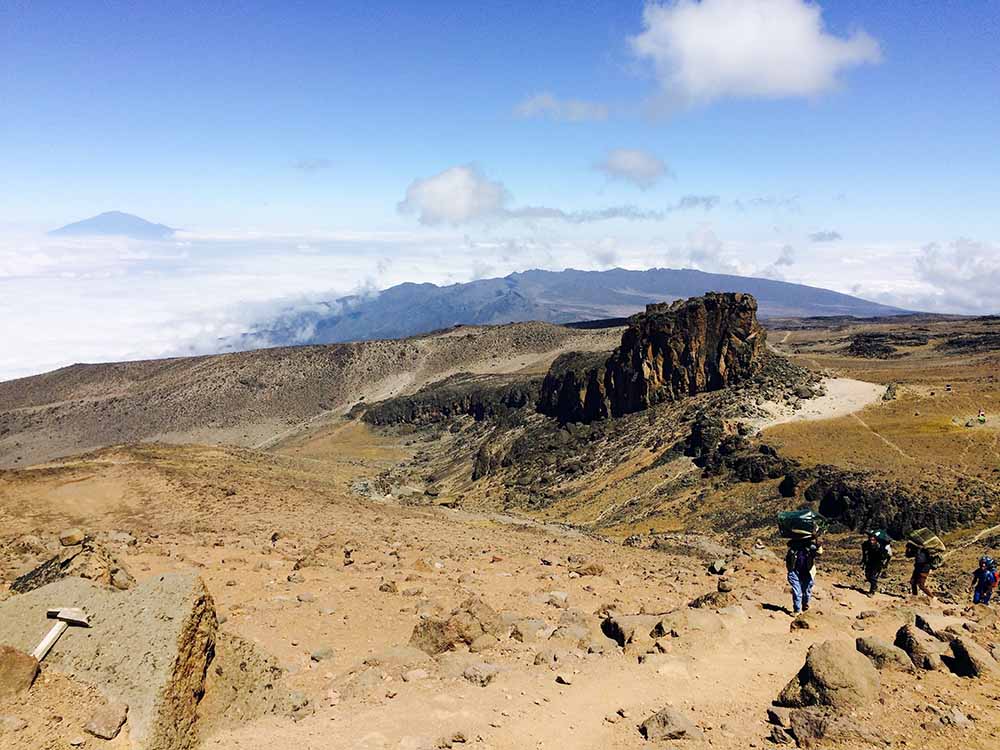
A full week in Zanzibar balances culture, exploration and genuine downtime. It works as a stand-alone island holiday or as a relaxed finish after safari or Kilimanjaro. A steady and sustainable pace remains important throughout the day. Your mountain team will manage the rhythm of the walk according to trail and weather conditions, while regular rest, hydration and sensible energy conservation help you prepare for the stages still ahead. The aim is not to move quickly, but to make controlled progress while giving your body time to respond to the increasing elevation. The changing mountain environment also gives each section of the route its own character.
Your Journey

Day by Day Itinerary

Explore Tanzania through a carefully planned journey combining wildlife, landscapes and comfortable accommodation. This part of the itinerary is designed to feel unhurried. There is time to enjoy the surroundings and atmosphere without needing to move constantly from one activity to another. Where the day includes planned arrangements, they provide a useful framework while still leaving breathing room around them. That flexibility makes it easier to combine sightseeing or local experiences with relaxation, giving the day a natural holiday rhythm and allowing you to enjoy Zanzibar at a comfortable pace.

Day 1: Arrival in Zanzibar

Meet your driver on arrival and transfer to your accommodation. Settle in and enjoy the remainder of the day at leisure. The pace is intentionally relaxed, leaving room to enjoy the island rather than moving through the day according to an unnecessarily rigid timetable. Planned experiences provide structure where useful, while the remaining time can be enjoyed more freely. This balance allows you to appreciate the surroundings, take photographs, pause for refreshments or simply slow down when you wish. The result is a more comfortable day that feels like part of a holiday rather than a checklist of activities.

Day 2: Stone Town

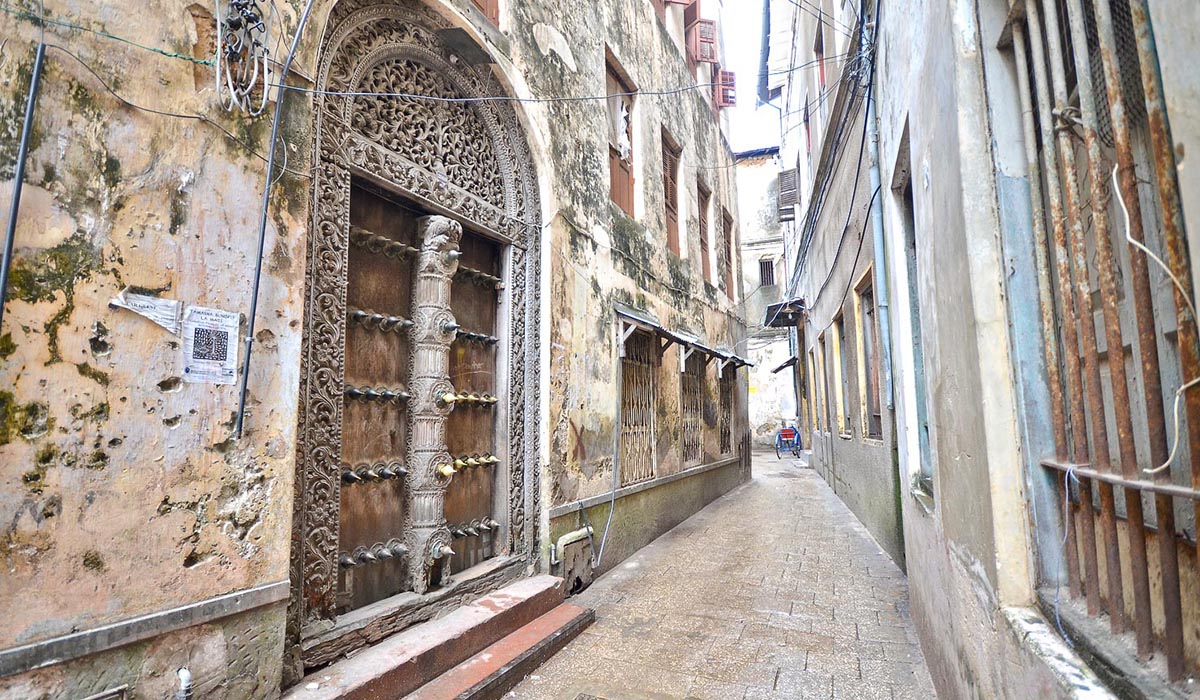
Spend time exploring historic Stone Town with a local guide. Walk through its narrow lanes, waterfront and market areas while learning about the many cultural influences that shaped Zanzibar. This part of the itinerary is designed to feel unhurried. There is time to enjoy the surroundings and atmosphere without needing to move constantly from one activity to another. Where the day includes planned arrangements, they provide a useful framework while still leaving breathing room around them. That flexibility makes it easier to combine sightseeing or local experiences with relaxation, giving the day a natural holiday rhythm and allowing you to enjoy Zanzibar at a comfortable pace.

Day 3: Spice Experience & Beach Transfer

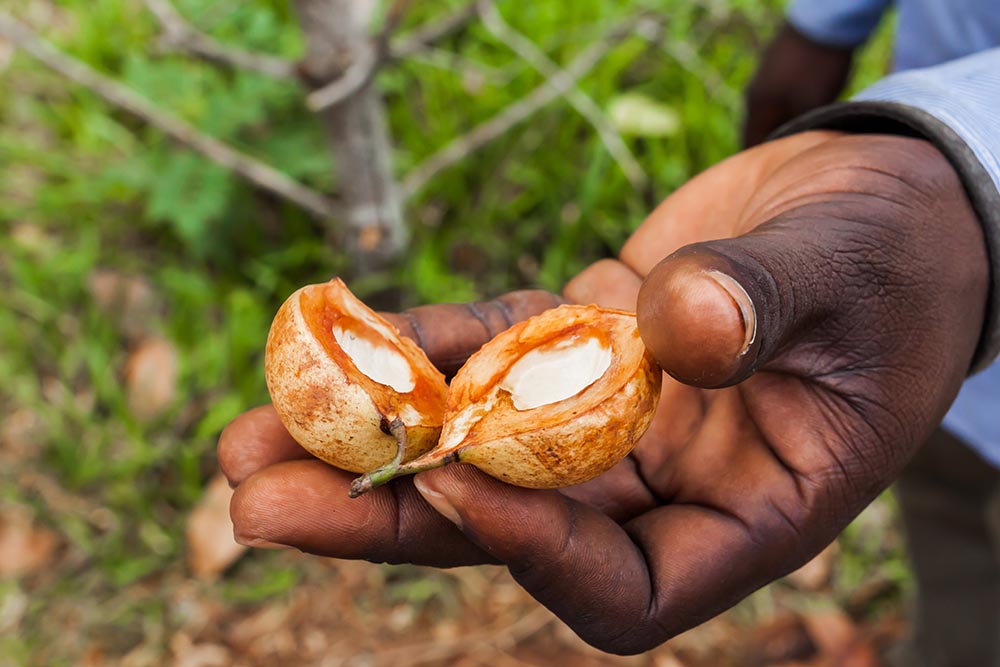
Visit a spice-growing area to discover some of the crops associated with the island, then continue to your selected beach hotel. Check in and spend the afternoon beside the ocean. The pace is intentionally relaxed, leaving room to enjoy the island rather than moving through the day according to an unnecessarily rigid timetable. Planned experiences provide structure where useful, while the remaining time can be enjoyed more freely. This balance allows you to appreciate the surroundings, take photographs, pause for refreshments or simply slow down when you wish. The result is a more comfortable day that feels like part of a holiday rather than a checklist of activities.

Day 4: Beach Leisure

Enjoy a completely free day. Swim, relax, read or take advantage of activities offered by your hotel. This part of the itinerary is designed to feel unhurried. There is time to enjoy the surroundings and atmosphere without needing to move constantly from one activity to another. Where the day includes planned arrangements, they provide a useful framework while still leaving breathing room around them. That flexibility makes it easier to combine sightseeing or local experiences with relaxation, giving the day a natural holiday rhythm and allowing you to enjoy Zanzibar at a comfortable pace.

Day 5: Optional Ocean Adventure

Keep the day flexible for an optional snorkelling, diving, sailing or reef excursion. Activities depend on location, weather and sea conditions and can be selected according to your interests. The pace is intentionally relaxed, leaving room to enjoy the island rather than moving through the day according to an unnecessarily rigid timetable. Planned experiences provide structure where useful, while the remaining time can be enjoyed more freely. This balance allows you to appreciate the surroundings, take photographs, pause for refreshments or simply slow down when you wish. The result is a more comfortable day that feels like part of a holiday rather than a checklist of activities.

Day 6: Beach Leisure

Spend your final full day at your own pace. This is intentionally left open so the holiday does not become a sequence of compulsory excursions. This part of the itinerary is designed to feel unhurried. There is time to enjoy the surroundings and atmosphere without needing to move constantly from one activity to another. Where the day includes planned arrangements, they provide a useful framework while still leaving breathing room around them. That flexibility makes it easier to combine sightseeing or local experiences with relaxation, giving the day a natural holiday rhythm and allowing you to enjoy Zanzibar at a comfortable pace.

Day 7: Departure

Transfer to Zanzibar Airport or ferry terminal according to your onward travel schedule. The pace is intentionally relaxed, leaving room to enjoy the island rather than moving through the day according to an unnecessarily rigid timetable. Planned experiences provide structure where useful, while the remaining time can be enjoyed more freely. This balance allows you to appreciate the surroundings, take photographs, pause for refreshments or simply slow down when you wish. The result is a more comfortable day that feels like part of a holiday rather than a checklist of activities.

Included

  • Accommodation as described in the itinerary
  • Meals according to the booked hotel meal plan
  • Airport or ferry transfers specifically listed in the itinerary
  • Tours and excursions specifically listed in the itinerary
  • Local guide services for included excursions
  • Applicable entrance fees for included activities
  • Applicable government taxes and statutory charges

Excluded

  • International and domestic flights unless specifically included
  • Tanzania visa fees and travel insurance
  • Meals and drinks not included in the booked hotel meal plan
  • Optional excursions and water sports not listed in the itinerary
  • Tips and gratuities
  • Personal purchases, laundry and other personal expenses
  • Medical expenses and personal travel requirements

Interested in this safari?

Contact us, and we can tailor the itinerary for you.

Enquire Now
Plan Your Safari

Enquire About This Safari

Send us your details and Afrigifftours will get back to you to discuss your safari. The pace is intentionally relaxed, leaving room to enjoy the island rather than moving through the day according to an unnecessarily rigid timetable. Planned experiences provide structure where useful, while the remaining time can be enjoyed more freely. This balance allows you to appreciate the surroundings, take photographs, pause for refreshments or simply slow down when you wish. The result is a more comfortable day that feels like part of a holiday rather than a checklist of activities.

    5-Day Zanzibar Beach Holiday

    5-Day Zanzibar Beach Holiday

    Accommodation

    Mid-Range

    Tour Type

    Beach Holiday

    Price

    On Request

    Overview

    Five days gives you time to experience a little of Zanzibar’s history and still enjoy several unhurried days beside the Indian Ocean. This part of the itinerary is designed to feel unhurried. There is time to enjoy the surroundings and atmosphere without needing to move constantly from one activity to another. Where the day includes planned arrangements, they provide a useful framework while still leaving breathing room around them. That flexibility makes it easier to combine sightseeing or local experiences with relaxation, giving the day a natural holiday rhythm and allowing you to enjoy Zanzibar at a comfortable pace.

    Your Journey

    Day by Day Itinerary

    Explore Tanzania through a carefully planned journey combining wildlife, landscapes and comfortable accommodation. The pace is intentionally relaxed, leaving room to enjoy the island rather than moving through the day according to an unnecessarily rigid timetable. Planned experiences provide structure where useful, while the remaining time can be enjoyed more freely. This balance allows you to appreciate the surroundings, take photographs, pause for refreshments or simply slow down when you wish. The result is a more comfortable day that feels like part of a holiday rather than a checklist of activities.

    Day 1: Arrival in Zanzibar

    Arrive at Zanzibar Airport or ferry terminal and meet your transfer driver. Continue to your hotel, check in and spend the remainder of the day at leisure. Depending on your arrival point and selected hotel, the first night can be in Stone Town or directly at the beach. This part of the itinerary is designed to feel unhurried. There is time to enjoy the surroundings and atmosphere without needing to move constantly from one activity to another. Where the day includes planned arrangements, they provide a useful framework while still leaving breathing room around them. That flexibility makes it easier to combine sightseeing or local experiences with relaxation, giving the day a natural holiday rhythm and allowing you to enjoy Zanzibar at a comfortable pace.

    Day 2: Stone Town & Spice Experience

    Explore Stone Town with a local guide, walking through narrow streets and learning about the island's trading history, architecture and cultural influences. Continue with a spice experience to see and smell some of the crops associated with Zanzibar. Transfer to your beach hotel afterward if you are not already staying on the coast. The pace is intentionally relaxed, leaving room to enjoy the island rather than moving through the day according to an unnecessarily rigid timetable. Planned experiences provide structure where useful, while the remaining time can be enjoyed more freely. This balance allows you to appreciate the surroundings, take photographs, pause for refreshments or simply slow down when you wish. The result is a more comfortable day that feels like part of a holiday rather than a checklist of activities.

    Day 3: Zanzibar Beach

    Enjoy a full free day at the beach. Swim, relax by the pool or choose an optional marine activity according to your interests and sea conditions. This part of the itinerary is designed to feel unhurried. There is time to enjoy the surroundings and atmosphere without needing to move constantly from one activity to another. Where the day includes planned arrangements, they provide a useful framework while still leaving breathing room around them. That flexibility makes it easier to combine sightseeing or local experiences with relaxation, giving the day a natural holiday rhythm and allowing you to enjoy Zanzibar at a comfortable pace.

    Day 4: Zanzibar Beach

    A second leisure day keeps the holiday deliberately unhurried. Optional excursions can be arranged, or simply enjoy the hotel and coastline. The pace is intentionally relaxed, leaving room to enjoy the island rather than moving through the day according to an unnecessarily rigid timetable. Planned experiences provide structure where useful, while the remaining time can be enjoyed more freely. This balance allows you to appreciate the surroundings, take photographs, pause for refreshments or simply slow down when you wish. The result is a more comfortable day that feels like part of a holiday rather than a checklist of activities.

    Day 5: Departure

    Enjoy breakfast and free time according to your departure schedule. Transfer to Zanzibar Airport or ferry terminal for your onward journey. This part of the itinerary is designed to feel unhurried. There is time to enjoy the surroundings and atmosphere without needing to move constantly from one activity to another. Where the day includes planned arrangements, they provide a useful framework while still leaving breathing room around them. That flexibility makes it easier to combine sightseeing or local experiences with relaxation, giving the day a natural holiday rhythm and allowing you to enjoy Zanzibar at a comfortable pace.

    Included

    • Accommodation as described in the itinerary
    • Meals according to the booked hotel meal plan
    • Airport or ferry transfers specifically listed in the itinerary
    • Tours and excursions specifically listed in the itinerary
    • Local guide services for included excursions
    • Applicable entrance fees for included activities
    • Applicable government taxes and statutory charges

    Excluded

    • International and domestic flights unless specifically included
    • Tanzania visa fees and travel insurance
    • Meals and drinks not included in the booked hotel meal plan
    • Optional excursions and water sports not listed in the itinerary
    • Tips and gratuities
    • Personal purchases, laundry and other personal expenses
    • Medical expenses and personal travel requirements

    Interested in this safari?

    Contact us, and we can tailor the itinerary for you.

    Enquire Now
    Plan Your Safari

    Enquire About This Safari

    Send us your details and Afrigifftours will get back to you to discuss your safari. This part of the itinerary is designed to feel unhurried. There is time to enjoy the surroundings and atmosphere without needing to move constantly from one activity to another. Where the day includes planned arrangements, they provide a useful framework while still leaving breathing room around them. That flexibility makes it easier to combine sightseeing or local experiences with relaxation, giving the day a natural holiday rhythm and allowing you to enjoy Zanzibar at a comfortable pace.

      7-Day Rongai Route

      7-Day Rongai Route

      Accommodation

      Mid-Range

      Tour Type

      Mountain trek

      Price

      On Request

      Overview

      Rongai approaches Kilimanjaro from the north and offers a quieter beginning than the busiest southern trails. The route traverses toward Kibo before descending on the Marangu side. As the route continues, the focus stays on measured progress rather than speed. Your guides will encourage a comfortable walking rhythm and monitor how the group is responding as conditions and elevation change. Rest, hydration and conserving energy remain important parts of the daily routine, particularly because the climb is a sequence of connected stages rather than a single day's effort. This approach also leaves time to notice the landscape and experience the changing environment around the trail.

      Your Journey

      Day by Day Itinerary

      Explore Tanzania through a carefully planned journey combining wildlife, landscapes and comfortable accommodation. A steady and sustainable pace remains important throughout the day. Your mountain team will manage the rhythm of the walk according to trail and weather conditions, while regular rest, hydration and sensible energy conservation help you prepare for the stages still ahead. The aim is not to move quickly, but to make controlled progress while giving your body time to respond to the increasing elevation. The changing mountain environment also gives each section of the route its own character.
      Day 1: Rongai Gate – Simba Camp

      Transfer to the northern trailhead, complete registration and begin trekking through cultivated foothills and forest toward Simba Camp. As the route continues, the focus stays on measured progress rather than speed. Your guides will encourage a comfortable walking rhythm and monitor how the group is responding as conditions and elevation change. Rest, hydration and conserving energy remain important parts of the daily routine, particularly because the climb is a sequence of connected stages rather than a single day's effort. This approach also leaves time to notice the landscape and experience the changing environment around the trail.

      Day 2: Simba Camp – Second Cave

      Continue through heath and moorland with increasingly open views. Reach the Second Cave area for overnight. A steady and sustainable pace remains important throughout the day. Your mountain team will manage the rhythm of the walk according to trail and weather conditions, while regular rest, hydration and sensible energy conservation help you prepare for the stages still ahead. The aim is not to move quickly, but to make controlled progress while giving your body time to respond to the increasing elevation. The changing mountain environment also gives each section of the route its own character.
      Day 3: Second Cave – Kikelewa Camp

      Trek across the northern slopes toward Kikelewa, gaining altitude gradually and moving into a drier mountain environment. As the route continues, the focus stays on measured progress rather than speed. Your guides will encourage a comfortable walking rhythm and monitor how the group is responding as conditions and elevation change. Rest, hydration and conserving energy remain important parts of the daily routine, particularly because the climb is a sequence of connected stages rather than a single day's effort. This approach also leaves time to notice the landscape and experience the changing environment around the trail.

      Day 4: Kikelewa – Mawenzi Tarn

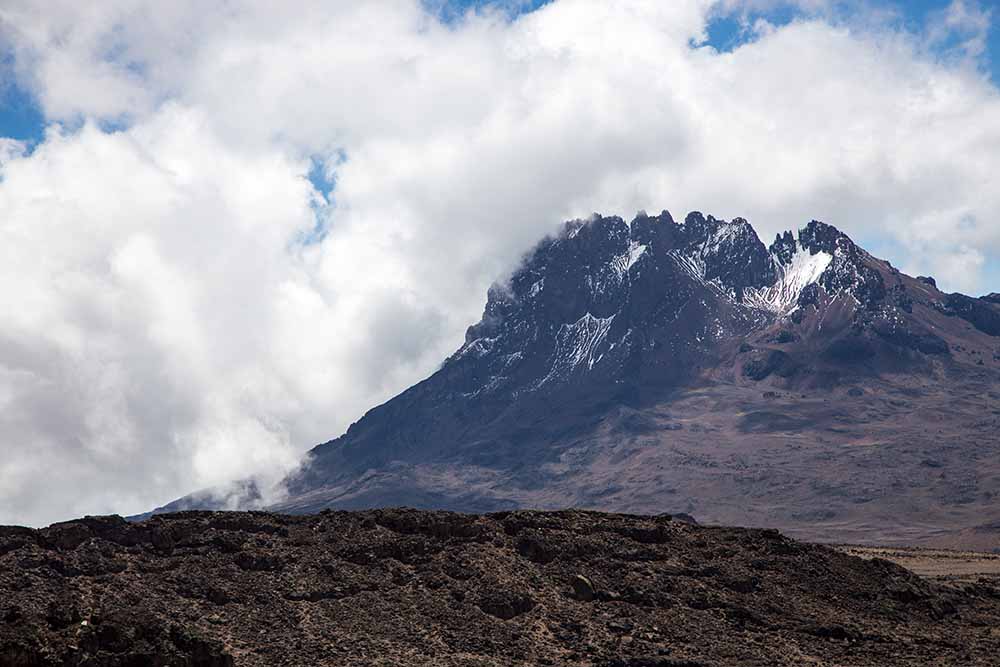
      Climb toward Mawenzi Tarn beneath the dramatic spires of Mawenzi. The shorter stage provides time to rest and acclimatize. A steady and sustainable pace remains important throughout the day. Your mountain team will manage the rhythm of the walk according to trail and weather conditions, while regular rest, hydration and sensible energy conservation help you prepare for the stages still ahead. The aim is not to move quickly, but to make controlled progress while giving your body time to respond to the increasing elevation. The changing mountain environment also gives each section of the route its own character.
      Day 5: Mawenzi Tarn – Kibo Hut

      Cross the high saddle between Mawenzi and Kibo to reach Kibo Hut. Rest and prepare for the summit attempt. As the route continues, the focus stays on measured progress rather than speed. Your guides will encourage a comfortable walking rhythm and monitor how the group is responding as conditions and elevation change. Rest, hydration and conserving energy remain important parts of the daily routine, particularly because the climb is a sequence of connected stages rather than a single day's effort. This approach also leaves time to notice the landscape and experience the changing environment around the trail.

      Day 6: Kibo – Uhuru Peak – Horombo

      Begin climbing during the night toward Gilman's Point and continue to Uhuru Peak if conditions permit. Descend to Kibo and then farther down to Horombo Hut. A steady and sustainable pace remains important throughout the day. Your mountain team will manage the rhythm of the walk according to trail and weather conditions, while regular rest, hydration and sensible energy conservation help you prepare for the stages still ahead. The aim is not to move quickly, but to make controlled progress while giving your body time to respond to the increasing elevation. The changing mountain environment also gives each section of the route its own character.
      Day 7: Horombo – Marangu Gate

      Complete the long descent through moorland and forest to Marangu Gate, then transfer to your hotel. As the route continues, the focus stays on measured progress rather than speed. Your guides will encourage a comfortable walking rhythm and monitor how the group is responding as conditions and elevation change. Rest, hydration and conserving energy remain important parts of the daily routine, particularly because the climb is a sequence of connected stages rather than a single day's effort. This approach also leaves time to notice the landscape and experience the changing environment around the trail.

      Included

      • Kilimanjaro National Park entry, camping or hut and rescue fees
      • Professional mountain guide team and support crew
      • Accommodation on the mountain according to the selected route
      • Meals and drinking water during the trek
      • Transfers between the hotel and Kilimanjaro trailhead
      • Pre-climb briefing and standard route coordination
      • Group mountain equipment used by the support crew
      • Applicable government taxes and statutory charges

      Excluded

      • International and domestic flights
      • Tanzania visa fees and travel insurance
      • Personal trekking clothing, boots, sleeping bag and personal equipment
      • Hotel accommodation before and after the climb unless specifically included in the quotation
      • Tips and gratuities for guides, cooks and porters
      • Personal snacks, drinks and purchases
      • Medical treatment, vaccinations and evacuation beyond services covered by park rescue procedures
      • Optional activities and additional nights caused by changes to personal travel arrangements

      Interested in this Kilimanjaro Trek?

      Contact us, and we can tailor the itinerary for you.

      Enquire Now
      Plan Your Safari

      Enquire About This Safari

      Send us your details and Afrigifftours will get back to you to discuss your safari. As the route continues, the focus stays on measured progress rather than speed. Your guides will encourage a comfortable walking rhythm and monitor how the group is responding as conditions and elevation change. Rest, hydration and conserving energy remain important parts of the daily routine, particularly because the climb is a sequence of connected stages rather than a single day's effort. This approach also leaves time to notice the landscape and experience the changing environment around the trail.

        6-Day Marangu Route

        6-Day Marangu Route

        Accommodation

        Mid-Range

        Tour Type

        Mountain trek

        Price

        On Request

        Overview

        Marangu is Kilimanjaro's established hut route. The six-day version includes an acclimatization day at Horombo, making it preferable to the shortest possible schedule. A steady and sustainable pace remains important throughout the day. Your mountain team will manage the rhythm of the walk according to trail and weather conditions, while regular rest, hydration and sensible energy conservation help you prepare for the stages still ahead. The aim is not to move quickly, but to make controlled progress while giving your body time to respond to the increasing elevation. The changing mountain environment also gives each section of the route its own character.
        Your Journey

        Day by Day Itinerary

        Explore Tanzania through a carefully planned journey combining wildlife, landscapes and comfortable accommodation. As the route continues, the focus stays on measured progress rather than speed. Your guides will encourage a comfortable walking rhythm and monitor how the group is responding as conditions and elevation change. Rest, hydration and conserving energy remain important parts of the daily routine, particularly because the climb is a sequence of connected stages rather than a single day's effort. This approach also leaves time to notice the landscape and experience the changing environment around the trail.

        Day 1: Marangu Gate – Mandara Hut

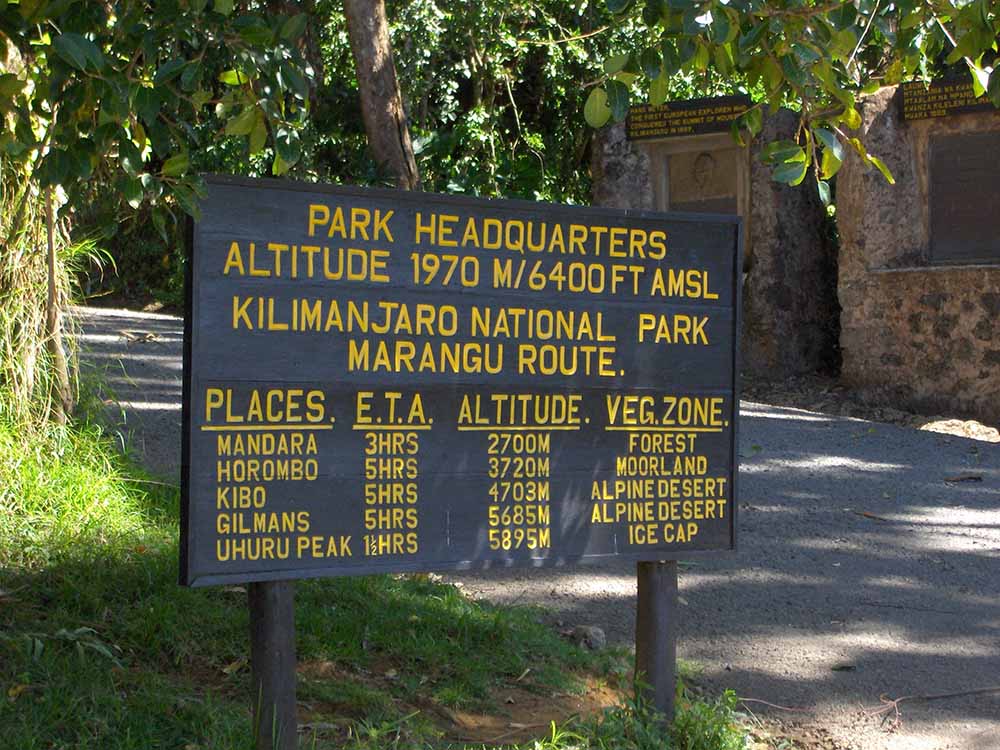
        Complete registration at Marangu Gate and begin climbing through montane forest to Mandara Hut. The first stage introduces the trekking rhythm at a moderate altitude. A steady and sustainable pace remains important throughout the day. Your mountain team will manage the rhythm of the walk according to trail and weather conditions, while regular rest, hydration and sensible energy conservation help you prepare for the stages still ahead. The aim is not to move quickly, but to make controlled progress while giving your body time to respond to the increasing elevation. The changing mountain environment also gives each section of the route its own character.
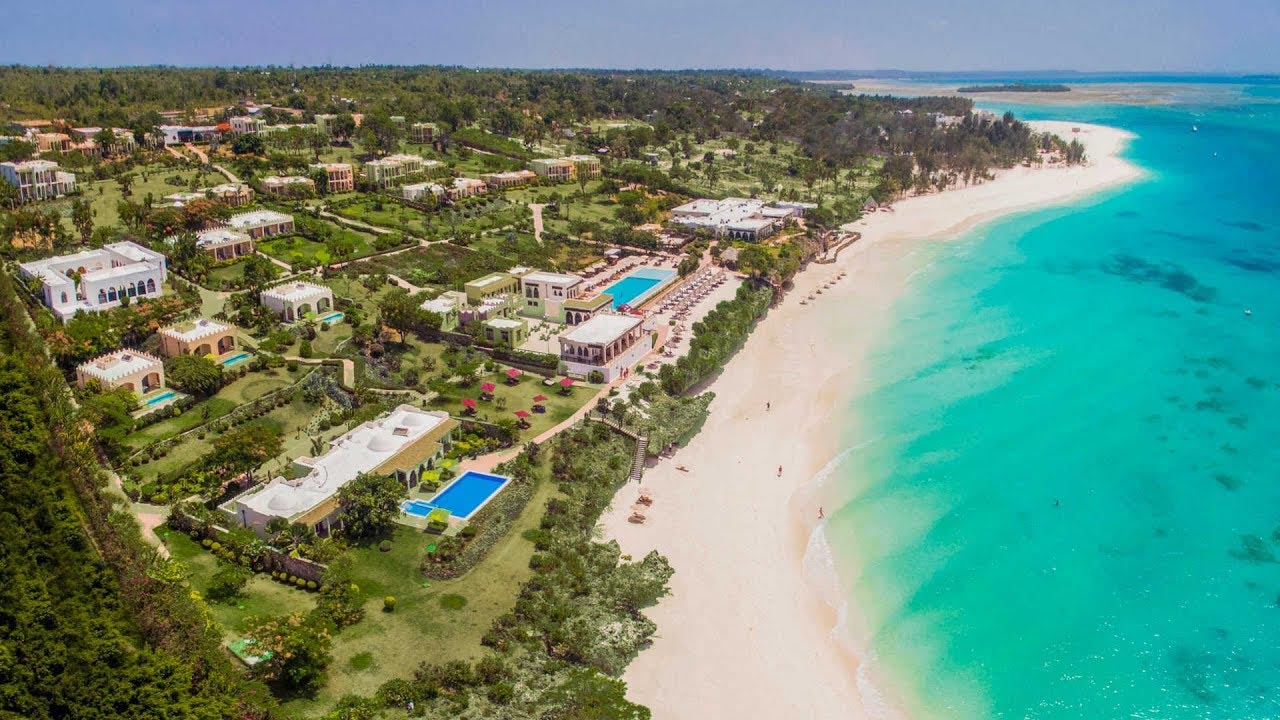
        Day 2: Mandara Hut – Horombo Hut

        Leave the forest and continue through heath and moorland toward Horombo. Views may open toward Mawenzi and Kibo as elevation increases. As the route continues, the focus stays on measured progress rather than speed. Your guides will encourage a comfortable walking rhythm and monitor how the group is responding as conditions and elevation change. Rest, hydration and conserving energy remain important parts of the daily routine, particularly because the climb is a sequence of connected stages rather than a single day's effort. This approach also leaves time to notice the landscape and experience the changing environment around the trail.

        Day 3: Acclimatization at Horombo

        Spend an additional day based at Horombo. A guided acclimatization walk gains elevation before returning to the hut to sleep lower. The exact walk depends on conditions and the guide's plan. A steady and sustainable pace remains important throughout the day. Your mountain team will manage the rhythm of the walk according to trail and weather conditions, while regular rest, hydration and sensible energy conservation help you prepare for the stages still ahead. The aim is not to move quickly, but to make controlled progress while giving your body time to respond to the increasing elevation. The changing mountain environment also gives each section of the route its own character.

        Day 4: Horombo Hut – Kibo Hut

        Cross increasingly sparse alpine terrain toward Kibo Hut. Arrive in the afternoon, eat and rest before the nighttime summit departure. As the route continues, the focus stays on measured progress rather than speed. Your guides will encourage a comfortable walking rhythm and monitor how the group is responding as conditions and elevation change. Rest, hydration and conserving energy remain important parts of the daily routine, particularly because the climb is a sequence of connected stages rather than a single day's effort. This approach also leaves time to notice the landscape and experience the changing environment around the trail.

        Day 5: Kibo Hut – Uhuru Peak – Horombo Hut

        Begin the summit attempt during the night. Climb toward Gilman's Point on the crater rim and, if conditions and health permit, continue to Uhuru Peak. Descend to Kibo and then continue to Horombo for overnight. A steady and sustainable pace remains important throughout the day. Your mountain team will manage the rhythm of the walk according to trail and weather conditions, while regular rest, hydration and sensible energy conservation help you prepare for the stages still ahead. The aim is not to move quickly, but to make controlled progress while giving your body time to respond to the increasing elevation. The changing mountain environment also gives each section of the route its own character.

        Day 6: Horombo Hut – Marangu Gate

        Descend through moorland and forest to Marangu Gate. Complete park formalities and transfer to your hotel. As the route continues, the focus stays on measured progress rather than speed. Your guides will encourage a comfortable walking rhythm and monitor how the group is responding as conditions and elevation change. Rest, hydration and conserving energy remain important parts of the daily routine, particularly because the climb is a sequence of connected stages rather than a single day's effort. This approach also leaves time to notice the landscape and experience the changing environment around the trail.

        Included

        • Kilimanjaro National Park entry, camping or hut and rescue fees
        • Professional mountain guide team and support crew
        • Accommodation on the mountain according to the selected route
        • Meals and drinking water during the trek
        • Transfers between the hotel and Kilimanjaro trailhead
        • Pre-climb briefing and standard route coordination
        • Group mountain equipment used by the support crew
        • Applicable government taxes and statutory charges

        Excluded

        • International and domestic flights
        • Tanzania visa fees and travel insurance
        • Personal trekking clothing, boots, sleeping bag and personal equipment
        • Hotel accommodation before and after the climb unless specifically included in the quotation
        • Tips and gratuities for guides, cooks and porters
        • Personal snacks, drinks and purchases
        • Medical treatment, vaccinations and evacuation beyond services covered by park rescue procedures
        • Optional activities and additional nights caused by changes to personal travel arrangements

        Interested in this Kilimanjaro Trek?

        Contact us, and we can tailor the itinerary for you.

        Enquire Now
        Plan Your Safari

        Enquire About This Safari

        Send us your details and Afrigifftours will get back to you to discuss your safari. As the route continues, the focus stays on measured progress rather than speed. Your guides will encourage a comfortable walking rhythm and monitor how the group is responding as conditions and elevation change. Rest, hydration and conserving energy remain important parts of the daily routine, particularly because the climb is a sequence of connected stages rather than a single day's effort. This approach also leaves time to notice the landscape and experience the changing environment around the trail.

          8-Day Lemosho Route

          8-Day Lemosho Route

          Accommodation

          Mid-Range

          Tour Type

          Mountain trek

          Price

          On Request

          Overview

          The eight-day Lemosho itinerary is one of the most gradual standard Kilimanjaro programs, providing additional time for acclimatization while retaining the scenic western approach and southern traverse. As the route continues, the focus stays on measured progress rather than speed. Your guides will encourage a comfortable walking rhythm and monitor how the group is responding as conditions and elevation change. Rest, hydration and conserving energy remain important parts of the daily routine, particularly because the climb is a sequence of connected stages rather than a single day's effort. This approach also leaves time to notice the landscape and experience the changing environment around the trail.

          Your Journey

          Day by Day Itinerary

          Explore Tanzania through a carefully planned journey combining wildlife, landscapes and comfortable accommodation. A steady and sustainable pace remains important throughout the day. Your mountain team will manage the rhythm of the walk according to trail and weather conditions, while regular rest, hydration and sensible energy conservation help you prepare for the stages still ahead. The aim is not to move quickly, but to make controlled progress while giving your body time to respond to the increasing elevation. The changing mountain environment also gives each section of the route its own character.

          Day 1: Lemosho Gate – Forest Camp

          Begin through the lush western rainforest after registration and briefing at the trailhead. Reach camp beneath the forest canopy. As the route continues, the focus stays on measured progress rather than speed. Your guides will encourage a comfortable walking rhythm and monitor how the group is responding as conditions and elevation change. Rest, hydration and conserving energy remain important parts of the daily routine, particularly because the climb is a sequence of connected stages rather than a single day's effort. This approach also leaves time to notice the landscape and experience the changing environment around the trail.

          Day 2: Forest Camp – Shira 1

          Climb out of the forest into heath and moorland and continue toward the Shira Plateau. Overnight at Shira 1. A steady and sustainable pace remains important throughout the day. Your mountain team will manage the rhythm of the walk according to trail and weather conditions, while regular rest, hydration and sensible energy conservation help you prepare for the stages still ahead. The aim is not to move quickly, but to make controlled progress while giving your body time to respond to the increasing elevation. The changing mountain environment also gives each section of the route its own character.

          Day 3: Shira 1 – Shira 2

          Cross the plateau at a measured pace. The relatively moderate day helps the body adjust while the landscape becomes increasingly open and volcanic. As the route continues, the focus stays on measured progress rather than speed. Your guides will encourage a comfortable walking rhythm and monitor how the group is responding as conditions and elevation change. Rest, hydration and conserving energy remain important parts of the daily routine, particularly because the climb is a sequence of connected stages rather than a single day's effort. This approach also leaves time to notice the landscape and experience the changing environment around the trail.

          Day 4: Shira 2 – Lava Tower – Barranco

          Climb toward Lava Tower for high-altitude exposure, then descend to Barranco Camp. This ascent and descent is an important acclimatization component. A steady and sustainable pace remains important throughout the day. Your mountain team will manage the rhythm of the walk according to trail and weather conditions, while regular rest, hydration and sensible energy conservation help you prepare for the stages still ahead. The aim is not to move quickly, but to make controlled progress while giving your body time to respond to the increasing elevation. The changing mountain environment also gives each section of the route its own character.

          Day 5: Barranco – Karanga

          Climb the Barranco Wall and continue across valleys to Karanga Camp. The shorter stage preserves energy and provides another night before base camp. As the route continues, the focus stays on measured progress rather than speed. Your guides will encourage a comfortable walking rhythm and monitor how the group is responding as conditions and elevation change. Rest, hydration and conserving energy remain important parts of the daily routine, particularly because the climb is a sequence of connected stages rather than a single day's effort. This approach also leaves time to notice the landscape and experience the changing environment around the trail.

          Day 6: Karanga – Barafu

          Move into the high alpine zone and reach Barafu Camp. Rest, eat early and prepare for the overnight summit attempt. A steady and sustainable pace remains important throughout the day. Your mountain team will manage the rhythm of the walk according to trail and weather conditions, while regular rest, hydration and sensible energy conservation help you prepare for the stages still ahead. The aim is not to move quickly, but to make controlled progress while giving your body time to respond to the increasing elevation. The changing mountain environment also gives each section of the route its own character.

          Day 7: Barafu – Uhuru Peak – Mweka

          Start before midnight and climb steadily toward the crater rim. Continue to Uhuru Peak if health, weather and mountain conditions permit, then descend via Barafu to Mweka Camp. As the route continues, the focus stays on measured progress rather than speed. Your guides will encourage a comfortable walking rhythm and monitor how the group is responding as conditions and elevation change. Rest, hydration and conserving energy remain important parts of the daily routine, particularly because the climb is a sequence of connected stages rather than a single day's effort. This approach also leaves time to notice the landscape and experience the changing environment around the trail.

          Day 8: Mweka – Mweka Gate

          Finish with a descent through rainforest to Mweka Gate and transfer to your hotel. A steady and sustainable pace remains important throughout the day. Your mountain team will manage the rhythm of the walk according to trail and weather conditions, while regular rest, hydration and sensible energy conservation help you prepare for the stages still ahead. The aim is not to move quickly, but to make controlled progress while giving your body time to respond to the increasing elevation. The changing mountain environment also gives each section of the route its own character.

          Included

          • Kilimanjaro National Park entry, camping or hut and rescue fees
          • Professional mountain guide team and support crew
          • Accommodation on the mountain according to the selected route
          • Meals and drinking water during the trek
          • Transfers between the hotel and Kilimanjaro trailhead
          • Pre-climb briefing and standard route coordination
          • Group mountain equipment used by the support crew
          • Applicable government taxes and statutory charges

          Excluded

          • International and domestic flights
          • Tanzania visa fees and travel insurance
          • Personal trekking clothing, boots, sleeping bag and personal equipment
          • Hotel accommodation before and after the climb unless specifically included in the quotation
          • Tips and gratuities for guides, cooks and porters
          • Personal snacks, drinks and purchases
          • Medical treatment, vaccinations and evacuation beyond services covered by park rescue procedures
          • Optional activities and additional nights caused by changes to personal travel arrangements

          Interested in this Kilimanjaro Trek?

          Contact us, and we can tailor the itinerary for you.

          Enquire Now
          Plan Your Safari

          Enquire About This Safari

          Send us your details and Afrigifftours will get back to you to discuss your safari. A steady and sustainable pace remains important throughout the day. Your mountain team will manage the rhythm of the walk according to trail and weather conditions, while regular rest, hydration and sensible energy conservation help you prepare for the stages still ahead. The aim is not to move quickly, but to make controlled progress while giving your body time to respond to the increasing elevation. The changing mountain environment also gives each section of the route its own character.

            7-Day Lemosho Route

            7-Day Lemosho Route

            Accommodation

            Mid-Range

            Tour Type

            Mountain trek

            Price

            On Request

            Overview

            The seven-day Lemosho Route approaches Kilimanjaro from the west, crosses the Shira Plateau and then joins the southern circuit. It combines varied scenery with a strong acclimatization profile. A steady and sustainable pace remains important throughout the day. Your mountain team will manage the rhythm of the walk according to trail and weather conditions, while regular rest, hydration and sensible energy conservation help you prepare for the stages still ahead. The aim is not to move quickly, but to make controlled progress while giving your body time to respond to the increasing elevation. The changing mountain environment also gives each section of the route its own character.

            Your Journey

            Day by Day Itinerary

            Explore Tanzania through a carefully planned journey combining wildlife, landscapes and comfortable accommodation. As the route continues, the focus stays on measured progress rather than speed. Your guides will encourage a comfortable walking rhythm and monitor how the group is responding as conditions and elevation change. Rest, hydration and conserving energy remain important parts of the daily routine, particularly because the climb is a sequence of connected stages rather than a single day's effort. This approach also leaves time to notice the landscape and experience the changing environment around the trail.

            Day 1: Lemosho Gate – Forest Camp

            After registration, begin trekking through the western rainforest. The trail climbs gradually through dense vegetation to the first camp. A steady and sustainable pace remains important throughout the day. Your mountain team will manage the rhythm of the walk according to trail and weather conditions, while regular rest, hydration and sensible energy conservation help you prepare for the stages still ahead. The aim is not to move quickly, but to make controlled progress while giving your body time to respond to the increasing elevation. The changing mountain environment also gives each section of the route its own character.

            Day 2: Forest Camp – Shira 1 Camp

            Continue upward as forest gives way to heath and moorland. Reach the broad Shira Plateau and camp with views across the western side of Kilimanjaro when conditions are clear. As the route continues, the focus stays on measured progress rather than speed. Your guides will encourage a comfortable walking rhythm and monitor how the group is responding as conditions and elevation change. Rest, hydration and conserving energy remain important parts of the daily routine, particularly because the climb is a sequence of connected stages rather than a single day's effort. This approach also leaves time to notice the landscape and experience the changing environment around the trail.

            Day 3: Shira 1 – Shira 2 – Moir or Shira Area

            Cross the Shira Plateau, gaining elevation gradually. The open landscape provides a sense of the mountain's scale and offers useful acclimatization before the route turns toward Lava Tower. A steady and sustainable pace remains important throughout the day. Your mountain team will manage the rhythm of the walk according to trail and weather conditions, while regular rest, hydration and sensible energy conservation help you prepare for the stages still ahead. The aim is not to move quickly, but to make controlled progress while giving your body time to respond to the increasing elevation. The changing mountain environment also gives each section of the route its own character.

            Day 4: Shira Area – Lava Tower – Barranco Camp

            Climb toward Lava Tower at higher altitude, then descend to Barranco Camp. This is one of the route's key acclimatization days and ends beneath the Barranco Wall. As the route continues, the focus stays on measured progress rather than speed. Your guides will encourage a comfortable walking rhythm and monitor how the group is responding as conditions and elevation change. Rest, hydration and conserving energy remain important parts of the daily routine, particularly because the climb is a sequence of connected stages rather than a single day's effort. This approach also leaves time to notice the landscape and experience the changing environment around the trail.

            Day 5: Barranco – Karanga – Barafu

            Climb the Barranco Wall and traverse toward Karanga before continuing to Barafu Camp. Arrive with time to eat, organize summit clothing and rest. A steady and sustainable pace remains important throughout the day. Your mountain team will manage the rhythm of the walk according to trail and weather conditions, while regular rest, hydration and sensible energy conservation help you prepare for the stages still ahead. The aim is not to move quickly, but to make controlled progress while giving your body time to respond to the increasing elevation. The changing mountain environment also gives each section of the route its own character.

            Day 6: Barafu – Uhuru Peak – Mweka Camp

            Begin the summit attempt at night, climbing slowly toward Stella Point and then Uhuru Peak. After reaching the highest point possible according to health and conditions, descend to Barafu and continue to Mweka Camp. As the route continues, the focus stays on measured progress rather than speed. Your guides will encourage a comfortable walking rhythm and monitor how the group is responding as conditions and elevation change. Rest, hydration and conserving energy remain important parts of the daily routine, particularly because the climb is a sequence of connected stages rather than a single day's effort. This approach also leaves time to notice the landscape and experience the changing environment around the trail.

            Day 7: Mweka Camp – Mweka Gate

            Descend through the rainforest to Mweka Gate, complete the trek and transfer to your hotel. A steady and sustainable pace remains important throughout the day. Your mountain team will manage the rhythm of the walk according to trail and weather conditions, while regular rest, hydration and sensible energy conservation help you prepare for the stages still ahead. The aim is not to move quickly, but to make controlled progress while giving your body time to respond to the increasing elevation. The changing mountain environment also gives each section of the route its own character.

            Included

            • Kilimanjaro National Park entry, camping or hut and rescue fees
            • Professional mountain guide team and support crew
            • Accommodation on the mountain according to the selected route
            • Meals and drinking water during the trek
            • Transfers between the hotel and Kilimanjaro trailhead
            • Pre-climb briefing and standard route coordination
            • Group mountain equipment used by the support crew
            • Applicable government taxes and statutory charges

            Excluded

            • International and domestic flights
            • Tanzania visa fees and travel insurance
            • Personal trekking clothing, boots, sleeping bag and personal equipment
            • Hotel accommodation before and after the climb unless specifically included in the quotation
            • Tips and gratuities for guides, cooks and porters
            • Personal snacks, drinks and purchases
            • Medical treatment, vaccinations and evacuation beyond services covered by park rescue procedures
            • Optional activities and additional nights caused by changes to personal travel arrangements

            Interested in this Kilimanjaro Trek?

            Contact us, and we can tailor the itinerary for you.

            Enquire Now
            Plan Your Safari

            Enquire About This Safari

            Send us your details and Afrigifftours will get back to you to discuss your safari. A steady and sustainable pace remains important throughout the day. Your mountain team will manage the rhythm of the walk according to trail and weather conditions, while regular rest, hydration and sensible energy conservation help you prepare for the stages still ahead. The aim is not to move quickly, but to make controlled progress while giving your body time to respond to the increasing elevation. The changing mountain environment also gives each section of the route its own character.

              7-Day Machame Route

              7-Day Machame Route

              Accommodation

              Mid-Range

              Tour Type

              Mountain trek

              Price

              On Request

              Overview

              The seven-day Machame Route follows the same scenic southern approach as the six-day climb but adds an extra stage, creating a more gradual schedule and additional acclimatization time. As the route continues, the focus stays on measured progress rather than speed. Your guides will encourage a comfortable walking rhythm and monitor how the group is responding as conditions and elevation change. Rest, hydration and conserving energy remain important parts of the daily routine, particularly because the climb is a sequence of connected stages rather than a single day's effort. This approach also leaves time to notice the landscape and experience the changing environment around the trail.

              Your Journey

              Day by Day Itinerary

              Explore Tanzania through a carefully planned journey combining wildlife, landscapes and comfortable accommodation. A steady and sustainable pace remains important throughout the day. Your mountain team will manage the rhythm of the walk according to trail and weather conditions, while regular rest, hydration and sensible energy conservation help you prepare for the stages still ahead. The aim is not to move quickly, but to make controlled progress while giving your body time to respond to the increasing elevation. The changing mountain environment also gives each section of the route its own character.

              Day 1: Machame Gate – Machame Camp

              Register at Machame Gate and begin the trek through montane rainforest. The path climbs steadily to Machame Camp, where the team settles in for the first night. As the route continues, the focus stays on measured progress rather than speed. Your guides will encourage a comfortable walking rhythm and monitor how the group is responding as conditions and elevation change. Rest, hydration and conserving energy remain important parts of the daily routine, particularly because the climb is a sequence of connected stages rather than a single day's effort. This approach also leaves time to notice the landscape and experience the changing environment around the trail.

              Day 2: Machame Camp – Shira Camp

              Climb out of the forest into heath and moorland. Continue across increasingly open terrain to the Shira Plateau and overnight at Shira Camp. A steady and sustainable pace remains important throughout the day. Your mountain team will manage the rhythm of the walk according to trail and weather conditions, while regular rest, hydration and sensible energy conservation help you prepare for the stages still ahead. The aim is not to move quickly, but to make controlled progress while giving your body time to respond to the increasing elevation. The changing mountain environment also gives each section of the route its own character.

              Day 3: Shira Camp – Lava Tower – Barranco Camp

              Trek toward Lava Tower for valuable exposure to higher altitude, then descend to Barranco Camp. The change in sleeping elevation supports acclimatization and the camp sits beneath the Barranco Wall. As the route continues, the focus stays on measured progress rather than speed. Your guides will encourage a comfortable walking rhythm and monitor how the group is responding as conditions and elevation change. Rest, hydration and conserving energy remain important parts of the daily routine, particularly because the climb is a sequence of connected stages rather than a single day's effort. This approach also leaves time to notice the landscape and experience the changing environment around the trail.

              Day 4: Barranco Camp – Karanga Camp

              Climb the Barranco Wall, then cross a series of ridges and valleys to Karanga Camp. The shorter stage gives the body additional time to adjust before moving to base camp. A steady and sustainable pace remains important throughout the day. Your mountain team will manage the rhythm of the walk according to trail and weather conditions, while regular rest, hydration and sensible energy conservation help you prepare for the stages still ahead. The aim is not to move quickly, but to make controlled progress while giving your body time to respond to the increasing elevation. The changing mountain environment also gives each section of the route its own character.

              Day 5: Karanga Camp – Barafu Camp

              Continue into the high alpine environment to Barafu Camp. Spend the afternoon resting, eating and preparing clothing and equipment for the summit attempt. As the route continues, the focus stays on measured progress rather than speed. Your guides will encourage a comfortable walking rhythm and monitor how the group is responding as conditions and elevation change. Rest, hydration and conserving energy remain important parts of the daily routine, particularly because the climb is a sequence of connected stages rather than a single day's effort. This approach also leaves time to notice the landscape and experience the changing environment around the trail.

              Day 6: Barafu – Uhuru Peak – Mweka Camp

              Depart around midnight for the long summit climb. Reach Stella Point and continue along the crater rim toward Uhuru Peak if conditions permit. Descend to Barafu for a short rest, then continue down to Mweka Camp. A steady and sustainable pace remains important throughout the day. Your mountain team will manage the rhythm of the walk according to trail and weather conditions, while regular rest, hydration and sensible energy conservation help you prepare for the stages still ahead. The aim is not to move quickly, but to make controlled progress while giving your body time to respond to the increasing elevation. The changing mountain environment also gives each section of the route its own character.

              Day 7: Mweka Camp – Mweka Gate

              Complete the final descent through forest to Mweka Gate, where the trek ends. Transfer back to your hotel for rest and recovery. As the route continues, the focus stays on measured progress rather than speed. Your guides will encourage a comfortable walking rhythm and monitor how the group is responding as conditions and elevation change. Rest, hydration and conserving energy remain important parts of the daily routine, particularly because the climb is a sequence of connected stages rather than a single day's effort. This approach also leaves time to notice the landscape and experience the changing environment around the trail.

              Included

              • Kilimanjaro National Park entry, camping or hut and rescue fees
              • Professional mountain guide team and support crew
              • Accommodation on the mountain according to the selected route
              • Meals and drinking water during the trek
              • Transfers between the hotel and Kilimanjaro trailhead
              • Pre-climb briefing and standard route coordination
              • Group mountain equipment used by the support crew
              • Applicable government taxes and statutory charges

              Excluded

              • International and domestic flights
              • Tanzania visa fees and travel insurance
              • Personal trekking clothing, boots, sleeping bag and personal equipment
              • Hotel accommodation before and after the climb unless specifically included in the quotation
              • Tips and gratuities for guides, cooks and porters
              • Personal snacks, drinks and purchases
              • Medical treatment, vaccinations and evacuation beyond services covered by park rescue procedures
              • Optional activities and additional nights caused by changes to personal travel arrangements

              Interested in this Kilimanjaro Trek?

              Contact us, and we can tailor the itinerary for you.

              Enquire Now
              Plan Your Safari

              Enquire About This Safari

              Send us your details and Afrigifftours will get back to you to discuss your safari. As the route continues, the focus stays on measured progress rather than speed. Your guides will encourage a comfortable walking rhythm and monitor how the group is responding as conditions and elevation change. Rest, hydration and conserving energy remain important parts of the daily routine, particularly because the climb is a sequence of connected stages rather than a single day's effort. This approach also leaves time to notice the landscape and experience the changing environment around the trail.

                6-Day Machame Route

                6-Day Machame Route

                Accommodation

                Mid-Range

                Tour Type

                Mountain trek

                Price

                On Request

                Overview

                The six-day Machame itinerary follows Kilimanjaro's popular southern approach through rainforest, heath, moorland and alpine desert before the final summit climb. It is a demanding schedule and suits trekkers who are comfortable with a faster acclimatization profile. A steady and sustainable pace remains important throughout the day. Your mountain team will manage the rhythm of the walk according to trail and weather conditions, while regular rest, hydration and sensible energy conservation help you prepare for the stages still ahead. The aim is not to move quickly, but to make controlled progress while giving your body time to respond to the increasing elevation. The changing mountain environment also gives each section of the route its own character.

                Your Journey

                Day by Day Itinerary

                Explore Tanzania through a carefully planned journey combining wildlife, landscapes and comfortable accommodation. As the route continues, the focus stays on measured progress rather than speed. Your guides will encourage a comfortable walking rhythm and monitor how the group is responding as conditions and elevation change. Rest, hydration and conserving energy remain important parts of the daily routine, particularly because the climb is a sequence of connected stages rather than a single day's effort. This approach also leaves time to notice the landscape and experience the changing environment around the trail.

                Day 1: Machame Gate – Machame Camp

                After registration at Machame Gate, begin trekking through humid montane forest. The trail climbs steadily beneath a dense canopy where conditions can be muddy after rain. Arrive at Machame Camp for dinner and your first night on the mountain. A steady and sustainable pace remains important throughout the day. Your mountain team will manage the rhythm of the walk according to trail and weather conditions, while regular rest, hydration and sensible energy conservation help you prepare for the stages still ahead. The aim is not to move quickly, but to make controlled progress while giving your body time to respond to the increasing elevation. The changing mountain environment also gives each section of the route its own character.

                Day 2: Machame Camp – Shira Camp

                Leave the forest behind and climb into heath and moorland. As vegetation becomes lower, views open across the Shira Plateau and toward Kilimanjaro's upper slopes when weather permits. Reach Shira Camp in the afternoon. As the route continues, the focus stays on measured progress rather than speed. Your guides will encourage a comfortable walking rhythm and monitor how the group is responding as conditions and elevation change. Rest, hydration and conserving energy remain important parts of the daily routine, particularly because the climb is a sequence of connected stages rather than a single day's effort. This approach also leaves time to notice the landscape and experience the changing environment around the trail.

                Day 3: Shira Camp – Lava Tower – Barranco Camp

                Climb gradually toward Lava Tower, reaching a significantly higher elevation during the day before descending to Barranco Camp. This 'climb high, sleep low' profile is an important acclimatization stage. The descent ends beneath the dramatic Barranco Wall. A steady and sustainable pace remains important throughout the day. Your mountain team will manage the rhythm of the walk according to trail and weather conditions, while regular rest, hydration and sensible energy conservation help you prepare for the stages still ahead. The aim is not to move quickly, but to make controlled progress while giving your body time to respond to the increasing elevation. The changing mountain environment also gives each section of the route its own character.

                Day 4: Barranco Camp – Barafu Camp

                Climb the Barranco Wall and continue through a series of ridges and valleys toward the high alpine zone. On the six-day schedule, continue to Barafu Camp, where you eat, rest and prepare equipment for the midnight summit attempt. As the route continues, the focus stays on measured progress rather than speed. Your guides will encourage a comfortable walking rhythm and monitor how the group is responding as conditions and elevation change. Rest, hydration and conserving energy remain important parts of the daily routine, particularly because the climb is a sequence of connected stages rather than a single day's effort. This approach also leaves time to notice the landscape and experience the changing environment around the trail.

                Day 5: Barafu – Uhuru Peak – Mweka Camp

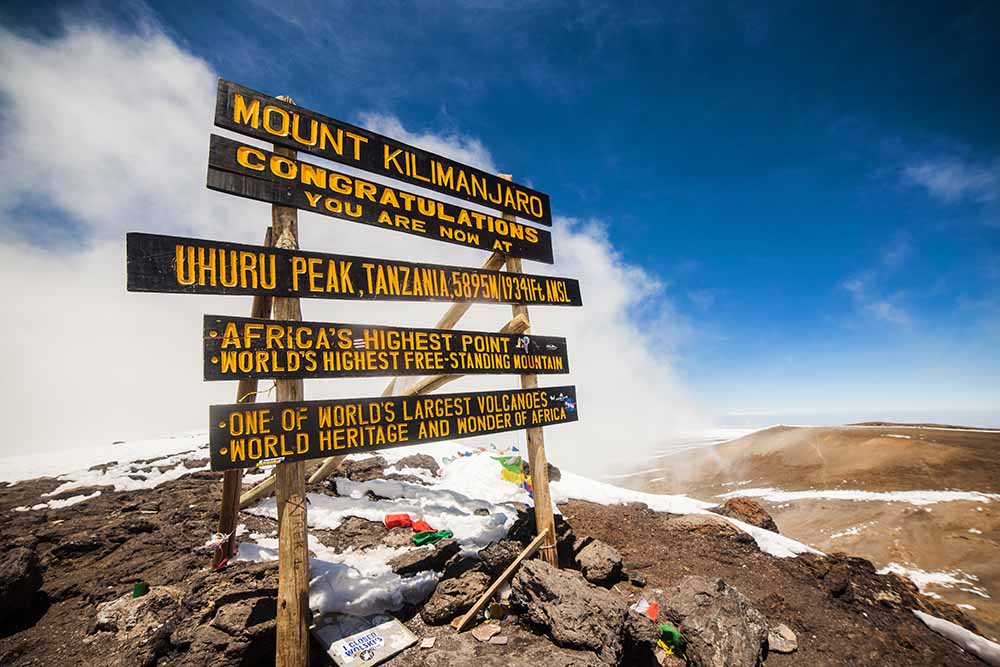
                Begin the summit climb during the night. Move slowly over steep scree toward Stella Point on the crater rim, then continue to Uhuru Peak at 5,895 metres if conditions and individual health allow. After photographs and a short time at the summit, descend to Barafu and continue much farther down to Mweka Camp for a well-earned rest. A steady and sustainable pace remains important throughout the day. Your mountain team will manage the rhythm of the walk according to trail and weather conditions, while regular rest, hydration and sensible energy conservation help you prepare for the stages still ahead. The aim is not to move quickly, but to make controlled progress while giving your body time to respond to the increasing elevation. The changing mountain environment also gives each section of the route its own character.

                Day 6: Mweka Camp – Mweka Gate

                Descend through the forest to Mweka Gate. After completing park formalities, meet your transfer vehicle and return to your hotel. As the route continues, the focus stays on measured progress rather than speed. Your guides will encourage a comfortable walking rhythm and monitor how the group is responding as conditions and elevation change. Rest, hydration and conserving energy remain important parts of the daily routine, particularly because the climb is a sequence of connected stages rather than a single day's effort. This approach also leaves time to notice the landscape and experience the changing environment around the trail.

                Included

                • Kilimanjaro National Park entry, camping or hut and rescue fees
                • Professional mountain guide team and support crew
                • Accommodation on the mountain according to the selected route
                • Meals and drinking water during the trek
                • Transfers between the hotel and Kilimanjaro trailhead
                • Pre-climb briefing and standard route coordination
                • Group mountain equipment used by the support crew
                • Applicable government taxes and statutory charges

                Excluded

                • International and domestic flights
                • Tanzania visa fees and travel insurance
                • Personal trekking clothing, boots, sleeping bag and personal equipment
                • Hotel accommodation before and after the climb unless specifically included in the quotation
                • Tips and gratuities for guides, cooks and porters
                • Personal snacks, drinks and purchases
                • Medical treatment, vaccinations and evacuation beyond services covered by park rescue procedures
                • Optional activities and additional nights caused by changes to personal travel arrangements

                Interested in this Kilimanjaro Trek?

                Contact us, and we can tailor the itinerary for you.

                Enquire Now
                Plan Your Safari

                Enquire About This Safari

                Send us your details and Afrigifftours will get back to you to discuss your safari. As the route continues, the focus stays on measured progress rather than speed. Your guides will encourage a comfortable walking rhythm and monitor how the group is responding as conditions and elevation change. Rest, hydration and conserving energy remain important parts of the daily routine, particularly because the climb is a sequence of connected stages rather than a single day's effort. This approach also leaves time to notice the landscape and experience the changing environment around the trail.

                  10-Day Tanzania Safari & Zanzibar

                  10-Day Tanzania Safari & Zanzibar

                  Accommodation

                  Mid-Range

                  Tour Type

                  Safari

                  Price

                  On Request

                  Overview

                  A complete bush-and-beach journey combining a classic Northern Circuit safari with time to unwind in Zanzibar. The itinerary moves from wildlife country to the Indian Ocean without trying to fit too much into either half. The pace is intentionally relaxed, leaving room to enjoy the island rather than moving through the day according to an unnecessarily rigid timetable. Planned experiences provide structure where useful, while the remaining time can be enjoyed more freely. This balance allows you to appreciate the surroundings, take photographs, pause for refreshments or simply slow down when you wish. The result is a more comfortable day that feels like part of a holiday rather than a checklist of activities.

                  Your Journey

                  Day by Day Itinerary

                  Explore Tanzania through a carefully planned journey combining wildlife, landscapes and comfortable accommodation. This part of the itinerary is designed to feel unhurried. There is time to enjoy the surroundings and atmosphere without needing to move constantly from one activity to another. Where the day includes planned arrangements, they provide a useful framework while still leaving breathing room around them. That flexibility makes it easier to combine sightseeing or local experiences with relaxation, giving the day a natural holiday rhythm and allowing you to enjoy Zanzibar at a comfortable pace.

                  Day 1: Arrival in Tanzania – Arusha

                  Arrive at Kilimanjaro International Airport, meet your representative and transfer to your hotel in Arusha. The remainder of the day is at leisure, with a safari briefing arranged according to arrival time. A steady and sustainable pace remains important throughout the day. Your mountain team will manage the rhythm of the walk according to trail and weather conditions, while regular rest, hydration and sensible energy conservation help you prepare for the stages still ahead. The aim is not to move quickly, but to make controlled progress while giving your body time to respond to the increasing elevation. The changing mountain environment also gives each section of the route its own character.

                  Day 2: Arusha – Tarangire National Park

                  Drive to Tarangire and begin your wildlife safari among baobabs and riverine habitat. Spend the day game driving before continuing to your accommodation. This part of the itinerary is designed to feel unhurried. There is time to enjoy the surroundings and atmosphere without needing to move constantly from one activity to another. Where the day includes planned arrangements, they provide a useful framework while still leaving breathing room around them. That flexibility makes it easier to combine sightseeing or local experiences with relaxation, giving the day a natural holiday rhythm and allowing you to enjoy Zanzibar at a comfortable pace.

                  Day 3: Tarangire Area – Serengeti

                  Travel through the Ngorongoro highlands to Serengeti National Park. Begin game viewing after entering the park and continue toward your camp or lodge. A steady and sustainable pace remains important throughout the day. Your mountain team will manage the rhythm of the walk according to trail and weather conditions, while regular rest, hydration and sensible energy conservation help you prepare for the stages still ahead. The aim is not to move quickly, but to make controlled progress while giving your body time to respond to the increasing elevation. The changing mountain environment also gives each section of the route its own character.

                  Day 4: Full Day Serengeti

                  Spend the entire day exploring the Serengeti with your private guide. The route is shaped by wildlife activity and seasonal conditions, with time for a picnic lunch and extended sightings. This part of the itinerary is designed to feel unhurried. There is time to enjoy the surroundings and atmosphere without needing to move constantly from one activity to another. Where the day includes planned arrangements, they provide a useful framework while still leaving breathing room around them. That flexibility makes it easier to combine sightseeing or local experiences with relaxation, giving the day a natural holiday rhythm and allowing you to enjoy Zanzibar at a comfortable pace.

                  Day 5: Serengeti – Ngorongoro

                  Enjoy a final morning on the plains, then travel toward the Ngorongoro highlands for overnight. The pace is intentionally relaxed, leaving room to enjoy the island rather than moving through the day according to an unnecessarily rigid timetable. Planned experiences provide structure where useful, while the remaining time can be enjoyed more freely. This balance allows you to appreciate the surroundings, take photographs, pause for refreshments or simply slow down when you wish. The result is a more comfortable day that feels like part of a holiday rather than a checklist of activities.
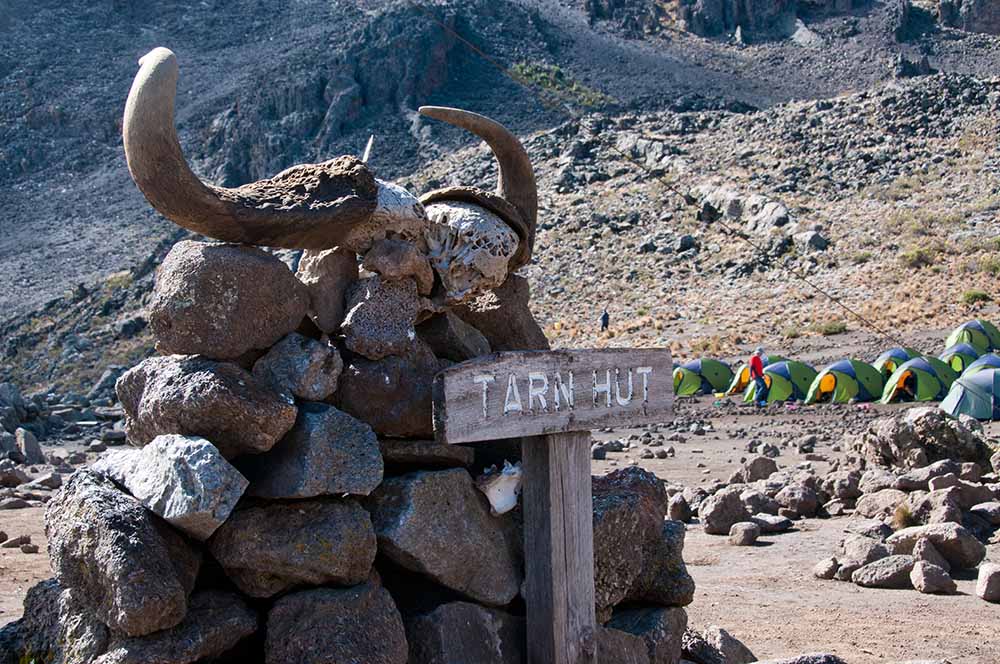
                  Day 6: Ngorongoro Crater – Arusha

                  Descend into Ngorongoro Crater for an extended game drive. After lunch, return to Arusha for overnight, completing the safari section. This part of the itinerary is designed to feel unhurried. There is time to enjoy the surroundings and atmosphere without needing to move constantly from one activity to another. Where the day includes planned arrangements, they provide a useful framework while still leaving breathing room around them. That flexibility makes it easier to combine sightseeing or local experiences with relaxation, giving the day a natural holiday rhythm and allowing you to enjoy Zanzibar at a comfortable pace.

                  Day 7: Arusha – Zanzibar

                  Transfer for your flight to Zanzibar. On arrival, continue to your selected beach hotel and settle into island life. The remainder of the day is free. The pace is intentionally relaxed, leaving room to enjoy the island rather than moving through the day according to an unnecessarily rigid timetable. Planned experiences provide structure where useful, while the remaining time can be enjoyed more freely. This balance allows you to appreciate the surroundings, take photographs, pause for refreshments or simply slow down when you wish. The result is a more comfortable day that feels like part of a holiday rather than a checklist of activities.
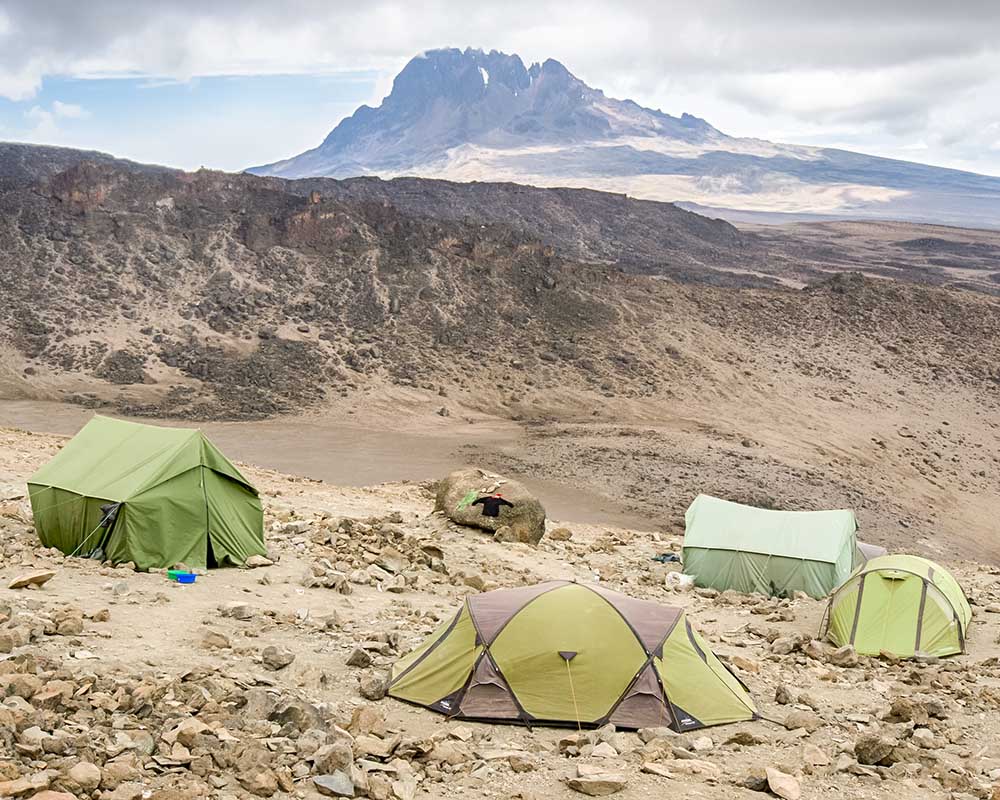
                  Day 8: Zanzibar Beach

                  Enjoy a full day at leisure beside the Indian Ocean. Swim, relax at the hotel or arrange an optional island excursion. This part of the itinerary is designed to feel unhurried. There is time to enjoy the surroundings and atmosphere without needing to move constantly from one activity to another. Where the day includes planned arrangements, they provide a useful framework while still leaving breathing room around them. That flexibility makes it easier to combine sightseeing or local experiences with relaxation, giving the day a natural holiday rhythm and allowing you to enjoy Zanzibar at a comfortable pace.

                  Day 9: Zanzibar Beach

                  A second free day allows you to enjoy the coast without a fixed schedule. Optional activities can include snorkelling, diving, a spice experience or a visit to Stone Town depending on your interests and hotel location. The pace is intentionally relaxed, leaving room to enjoy the island rather than moving through the day according to an unnecessarily rigid timetable. Planned experiences provide structure where useful, while the remaining time can be enjoyed more freely. This balance allows you to appreciate the surroundings, take photographs, pause for refreshments or simply slow down when you wish. The result is a more comfortable day that feels like part of a holiday rather than a checklist of activities.
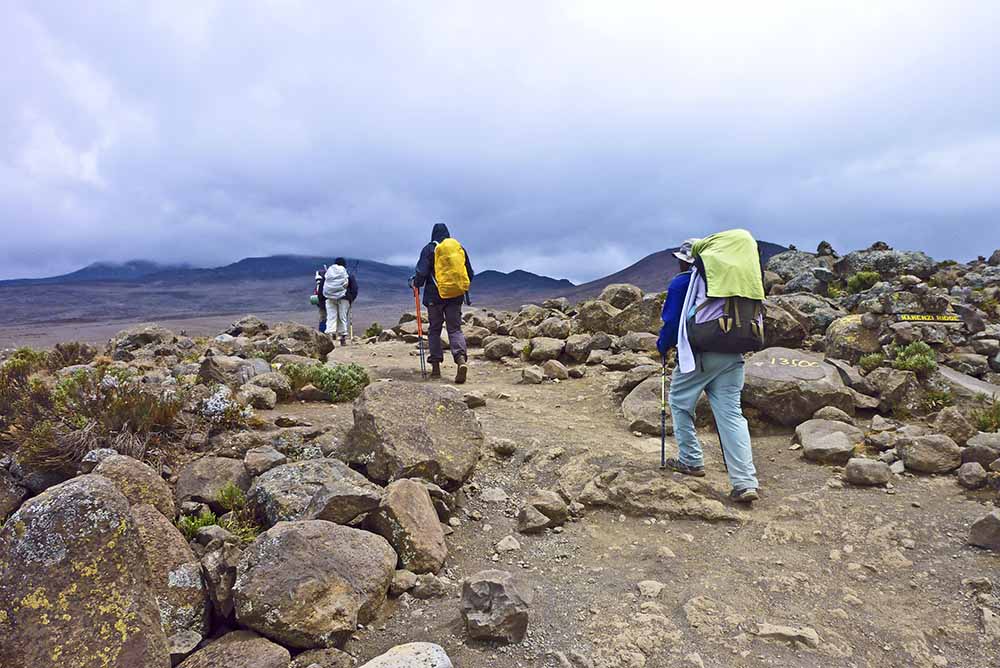
                  Day 10: Departure

                  Enjoy your final morning according to flight time, then transfer to Zanzibar Airport for your onward journey. This part of the itinerary is designed to feel unhurried. There is time to enjoy the surroundings and atmosphere without needing to move constantly from one activity to another. Where the day includes planned arrangements, they provide a useful framework while still leaving breathing room around them. That flexibility makes it easier to combine sightseeing or local experiences with relaxation, giving the day a natural holiday rhythm and allowing you to enjoy Zanzibar at a comfortable pace.

                  Included

                  • Private 4x4 safari vehicle with pop-up roof for wildlife viewing
                  • Professional English-speaking safari driver-guide
                  • Accommodation as described in the itinerary
                  • Meals as indicated during the safari
                  • National park and conservation area entry fees
                  • Game drives and activities specifically listed in the itinerary
                  • Bottled drinking water during safari game drives
                  • Airport and inter-hotel transfers specifically listed in the itinerary
                  • Applicable government taxes and statutory charges

                  Excluded

                  • International and domestic flights unless specifically stated as included
                  • Tanzania visa fees and travel insurance
                  • Vaccinations, medical expenses and personal travel requirements
                  • Tips and gratuities for guides, drivers and lodge staff
                  • Alcoholic drinks, premium beverages and items of a personal nature
                  • Optional activities not specifically listed in the itinerary
                  • Laundry, telephone calls and other personal expenses
                  • Any accommodation, meals or transfers before or after the stated itinerary

                  Interested in this safari?

                  Contact us, and we can tailor the itinerary for you.

                  Enquire Now
                  Plan Your Safari

                  Enquire About This Safari

                  Send us your details and Afrigifftours will get back to you to discuss your safari. This part of the itinerary is designed to feel unhurried. There is time to enjoy the surroundings and atmosphere without needing to move constantly from one activity to another. Where the day includes planned arrangements, they provide a useful framework while still leaving breathing room around them. That flexibility makes it easier to combine sightseeing or local experiences with relaxation, giving the day a natural holiday rhythm and allowing you to enjoy Zanzibar at a comfortable pace.

                    8-Day Great Migration Safari

                    8-Day Great Migration Safari

                    Accommodation

                    Mid-Range

                    Tour Type

                    Safari

                    Price

                    On Request

                    Overview

                    This itinerary gives the Serengeti additional time so the safari can be adjusted toward seasonal Great Migration movements. The exact Serengeti region should be selected according to travel dates; migration is a natural cycle and precise herd locations cannot be guaranteed. Throughout the day, the emphasis remains on unhurried observation and making the most of what is happening in the area at the time. Wildlife experiences are never identical from one visit to another, so flexibility is valuable. Your guide can respond to current conditions while keeping the overall itinerary on course, giving you time to enjoy animal behaviour, birdlife, scenery and the quieter moments that often become memorable parts of a safari.

                    Your Journey

                    Day by Day Itinerary

                    Explore Tanzania through a carefully planned journey combining wildlife, landscapes and comfortable accommodation. The day is deliberately paced so there is time to appreciate the experience between the major sightings as well as the wildlife itself. Your guide can adjust the rhythm according to conditions on the ground, allowing longer stops when an interesting encounter develops and moving on when appropriate. This creates a more natural safari experience, with opportunities for photography, observation and simply taking in the changing landscapes rather than treating the route as a fixed timetable.

                    Day 1: Arusha – Tarangire

                    Travel to Tarangire National Park for a full introductory game drive among baobabs, woodland and the Tarangire River. Overnight in the Tarangire or Manyara region. Although part of the day is spent travelling onward, the route continues to add context to the journey as the surroundings gradually change. There is no need to treat the transfer as a rushed section of the itinerary; instead, it provides time to observe the countryside and understand how the different destinations fit together geographically. Your guide handles the route and timing, allowing you to settle into the journey and arrive prepared for the next stage.

                    Day 2: Tarangire Area – Serengeti

                    Travel through the Ngorongoro highlands and enter Serengeti National Park. Game drive toward the selected Serengeti region and settle into camp. A steady and sustainable pace remains important throughout the day. Your mountain team will manage the rhythm of the walk according to trail and weather conditions, while regular rest, hydration and sensible energy conservation help you prepare for the stages still ahead. The aim is not to move quickly, but to make controlled progress while giving your body time to respond to the increasing elevation. The changing mountain environment also gives each section of the route its own character.

                    Day 3: Serengeti – Migration Country

                    Spend a full day exploring the Serengeti with the day's route shaped by seasonal conditions. During migration periods, the focus may be on areas where large herds are feeding, calving or moving between seasonal ranges. Throughout the day, the emphasis remains on unhurried observation and making the most of what is happening in the area at the time. Wildlife experiences are never identical from one visit to another, so flexibility is valuable. Your guide can respond to current conditions while keeping the overall itinerary on course, giving you time to enjoy animal behaviour, birdlife, scenery and the quieter moments that often become memorable parts of a safari.

                    Day 4: Serengeti – Migration Country

                    Continue the migration-focused safari. A second day allows your guide to respond to changes in herd movement and predator activity without needing to leave the region prematurely. The day is deliberately paced so there is time to appreciate the experience between the major sightings as well as the wildlife itself. Your guide can adjust the rhythm according to conditions on the ground, allowing longer stops when an interesting encounter develops and moving on when appropriate. This creates a more natural safari experience, with opportunities for photography, observation and simply taking in the changing landscapes rather than treating the route as a fixed timetable.

                    Day 5: Serengeti – Extended Exploration

                    Explore another part of the Serengeti or remain close to productive wildlife areas. Beyond the migration herds, the ecosystem supports resident lions, cheetahs, leopards, hyenas, elephants, giraffes and many other species. Throughout the day, the emphasis remains on unhurried observation and making the most of what is happening in the area at the time. Wildlife experiences are never identical from one visit to another, so flexibility is valuable. Your guide can respond to current conditions while keeping the overall itinerary on course, giving you time to enjoy animal behaviour, birdlife, scenery and the quieter moments that often become memorable parts of a safari.
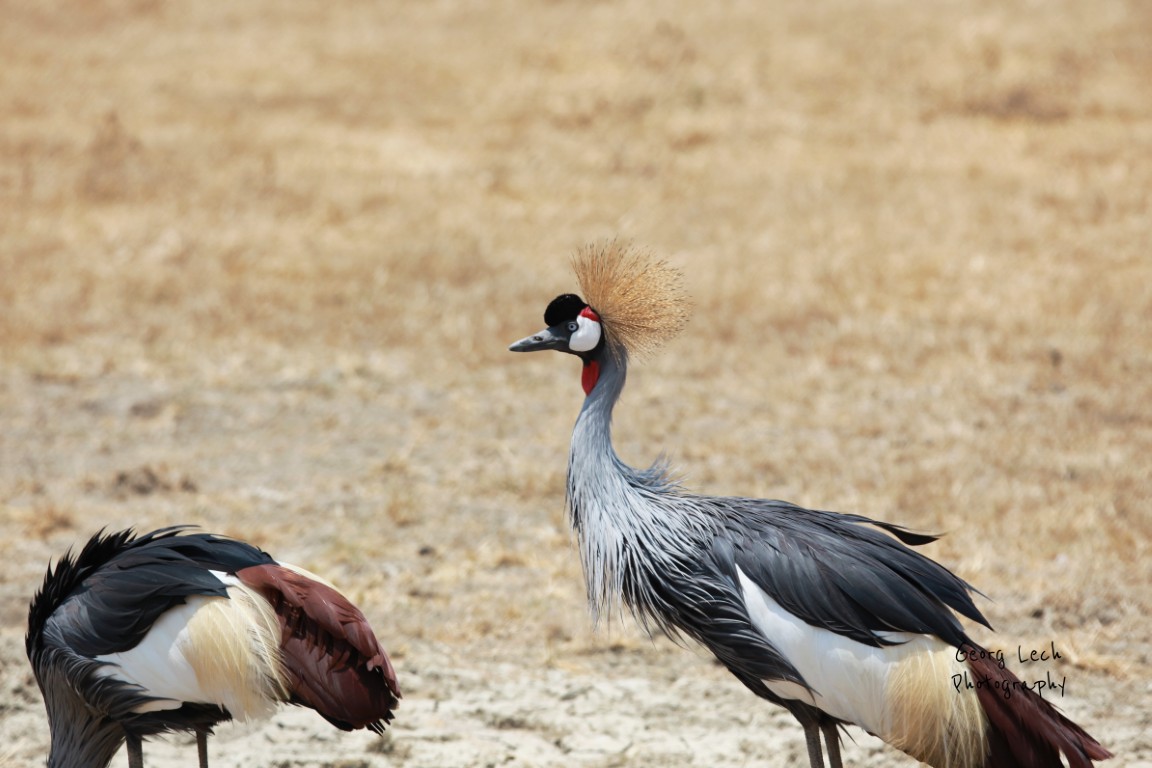
                    Day 6: Serengeti – Central or Transitional Area

                    Begin gradually moving toward the next stage of the safari while continuing game viewing. Depending on the seasonal itinerary, this day may connect northern, western, central or southern Serengeti areas. The day is deliberately paced so there is time to appreciate the experience between the major sightings as well as the wildlife itself. Your guide can adjust the rhythm according to conditions on the ground, allowing longer stops when an interesting encounter develops and moving on when appropriate. This creates a more natural safari experience, with opportunities for photography, observation and simply taking in the changing landscapes rather than treating the route as a fixed timetable.
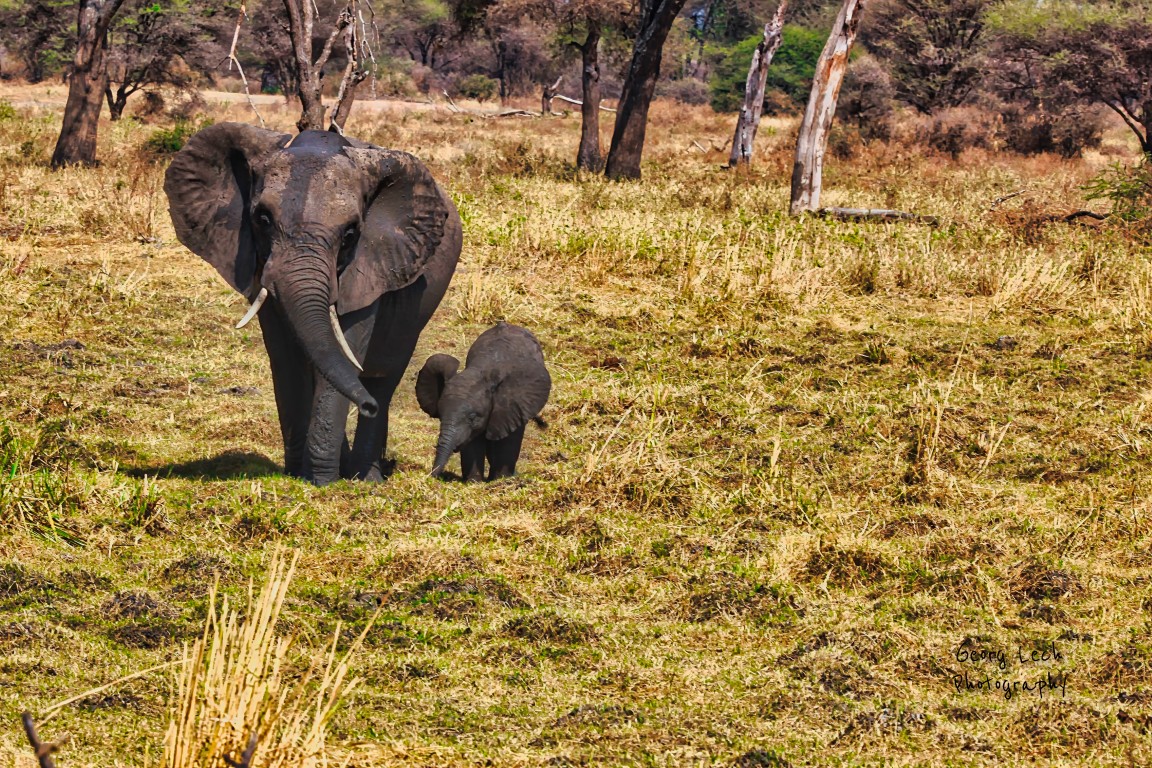
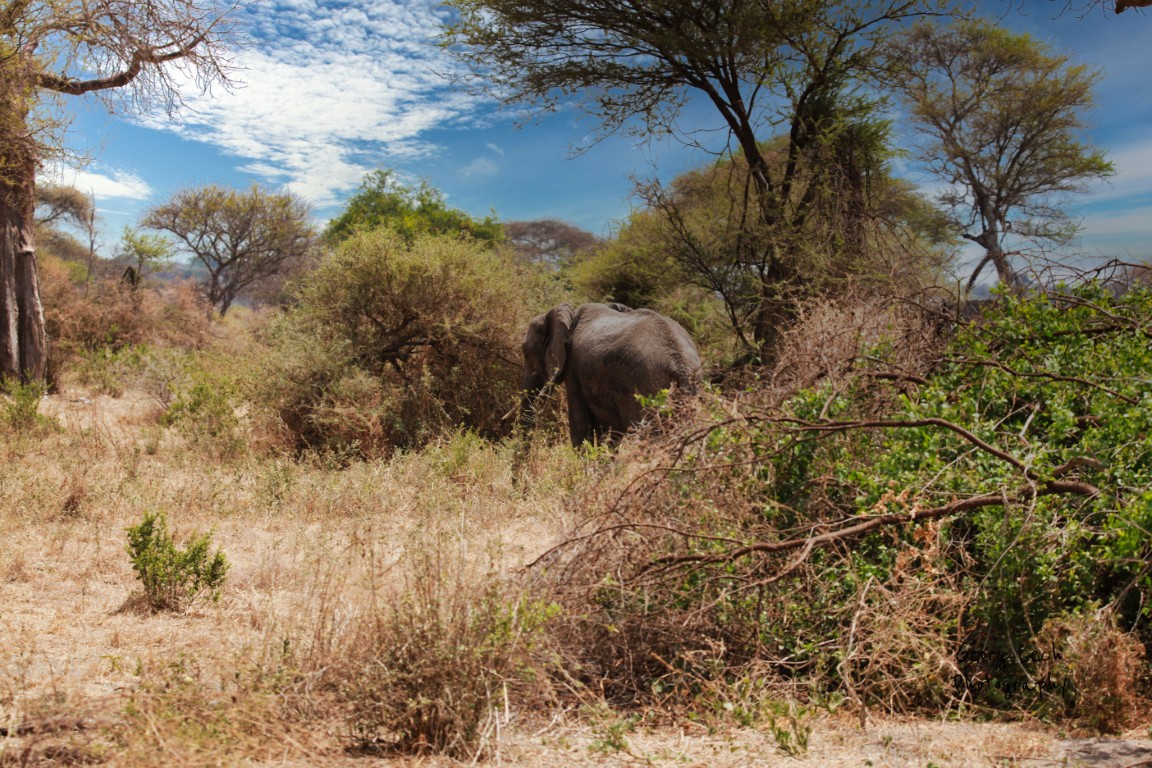
                    Day 7: Serengeti – Ngorongoro Highlands

                    Enjoy a final morning game drive before leaving the Serengeti and climbing toward Ngorongoro. Overnight near the crater. Throughout the day, the emphasis remains on unhurried observation and making the most of what is happening in the area at the time. Wildlife experiences are never identical from one visit to another, so flexibility is valuable. Your guide can respond to current conditions while keeping the overall itinerary on course, giving you time to enjoy animal behaviour, birdlife, scenery and the quieter moments that often become memorable parts of a safari.

                    Day 8: Ngorongoro Crater – Arusha

                    Descend into Ngorongoro Crater for a final wildlife drive. After lunch, ascend from the crater and return to Arusha. The day is deliberately paced so there is time to appreciate the experience between the major sightings as well as the wildlife itself. Your guide can adjust the rhythm according to conditions on the ground, allowing longer stops when an interesting encounter develops and moving on when appropriate. This creates a more natural safari experience, with opportunities for photography, observation and simply taking in the changing landscapes rather than treating the route as a fixed timetable.

                    Included

                    • Private 4x4 safari vehicle with pop-up roof for wildlife viewing
                    • Professional English-speaking safari driver-guide
                    • Accommodation as described in the itinerary
                    • Meals as indicated during the safari
                    • National park and conservation area entry fees
                    • Game drives and activities specifically listed in the itinerary
                    • Bottled drinking water during safari game drives
                    • Airport and inter-hotel transfers specifically listed in the itinerary
                    • Applicable government taxes and statutory charges

                    Excluded

                    • International and domestic flights unless specifically stated as included
                    • Tanzania visa fees and travel insurance
                    • Vaccinations, medical expenses and personal travel requirements
                    • Tips and gratuities for guides, drivers and lodge staff
                    • Alcoholic drinks, premium beverages and items of a personal nature
                    • Optional activities not specifically listed in the itinerary
                    • Laundry, telephone calls and other personal expenses
                    • Any accommodation, meals or transfers before or after the stated itinerary

                    Interested in this safari?

                    Contact us, and we can tailor the itinerary for you.

                    Enquire Now
                    Plan Your Safari

                    Enquire About This Safari

                    Send us your details and Afrigifftours will get back to you to discuss your safari. The day is deliberately paced so there is time to appreciate the experience between the major sightings as well as the wildlife itself. Your guide can adjust the rhythm according to conditions on the ground, allowing longer stops when an interesting encounter develops and moving on when appropriate. This creates a more natural safari experience, with opportunities for photography, observation and simply taking in the changing landscapes rather than treating the route as a fixed timetable.