
7-Day Lemosho Route
Accommodation
Mid-Range
Tour Type
Mountain trek
Price
On Request
Overview
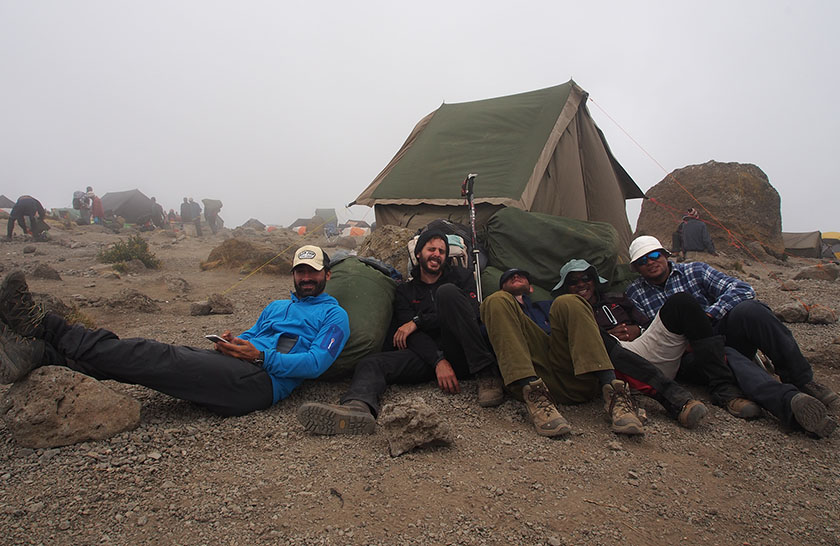
The seven-day Lemosho Route approaches Kilimanjaro from the west, crosses the Shira Plateau and then joins the southern circuit. It combines varied scenery with a strong acclimatization profile. A steady and sustainable pace remains important throughout the day. Your mountain team will manage the rhythm of the walk according to trail and weather conditions, while regular rest, hydration and sensible energy conservation help you prepare for the stages still ahead. The aim is not to move quickly, but to make controlled progress while giving your body time to respond to the increasing elevation. The changing mountain environment also gives each section of the route its own character.
Your Journey
Day by Day Itinerary
Explore Tanzania through a carefully planned journey combining wildlife, landscapes and comfortable accommodation. As the route continues, the focus stays on measured progress rather than speed. Your guides will encourage a comfortable walking rhythm and monitor how the group is responding as conditions and elevation change. Rest, hydration and conserving energy remain important parts of the daily routine, particularly because the climb is a sequence of connected stages rather than a single day's effort. This approach also leaves time to notice the landscape and experience the changing environment around the trail.
Day 1: Lemosho Gate – Forest Camp
After registration, begin trekking through the western rainforest. The trail climbs gradually through dense vegetation to the first camp. A steady and sustainable pace remains important throughout the day. Your mountain team will manage the rhythm of the walk according to trail and weather conditions, while regular rest, hydration and sensible energy conservation help you prepare for the stages still ahead. The aim is not to move quickly, but to make controlled progress while giving your body time to respond to the increasing elevation. The changing mountain environment also gives each section of the route its own character.
Day 2: Forest Camp – Shira 1 Camp
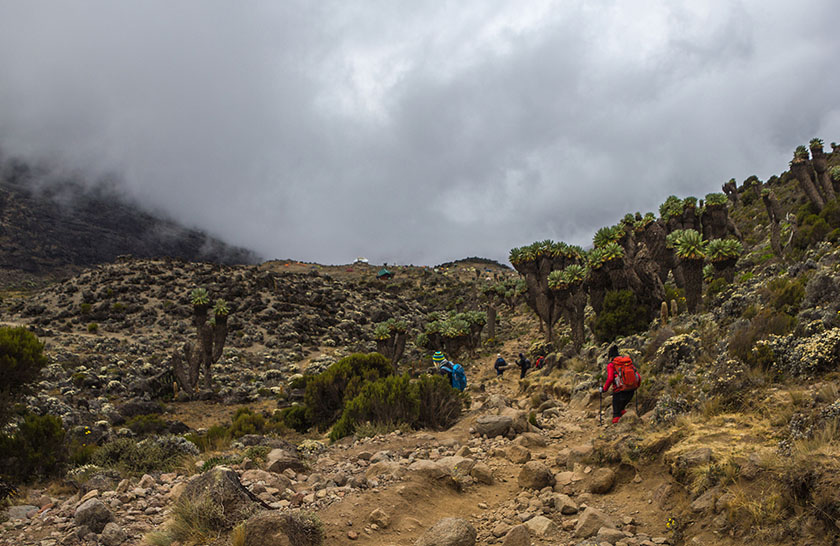
Continue upward as forest gives way to heath and moorland. Reach the broad Shira Plateau and camp with views across the western side of Kilimanjaro when conditions are clear. As the route continues, the focus stays on measured progress rather than speed. Your guides will encourage a comfortable walking rhythm and monitor how the group is responding as conditions and elevation change. Rest, hydration and conserving energy remain important parts of the daily routine, particularly because the climb is a sequence of connected stages rather than a single day's effort. This approach also leaves time to notice the landscape and experience the changing environment around the trail.
Day 3: Shira 1 – Shira 2 – Moir or Shira Area
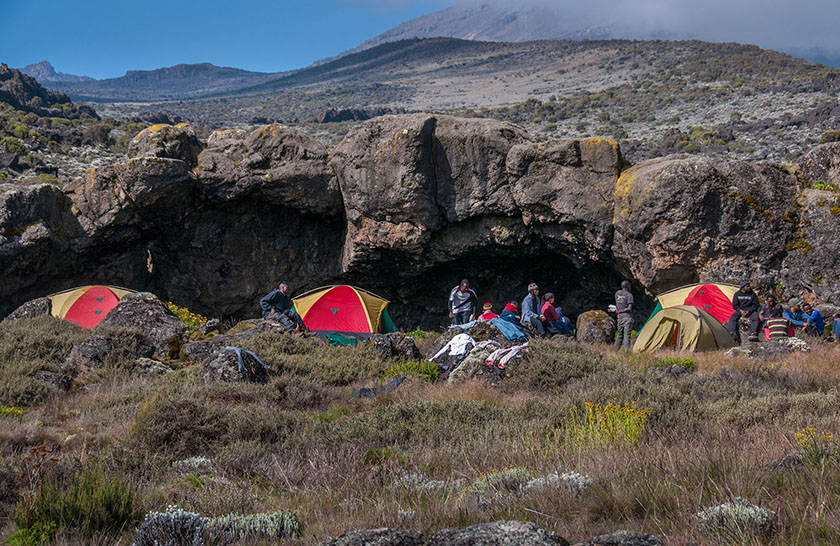
Cross the Shira Plateau, gaining elevation gradually. The open landscape provides a sense of the mountain's scale and offers useful acclimatization before the route turns toward Lava Tower. A steady and sustainable pace remains important throughout the day. Your mountain team will manage the rhythm of the walk according to trail and weather conditions, while regular rest, hydration and sensible energy conservation help you prepare for the stages still ahead. The aim is not to move quickly, but to make controlled progress while giving your body time to respond to the increasing elevation. The changing mountain environment also gives each section of the route its own character.
Day 4: Shira Area – Lava Tower – Barranco Camp
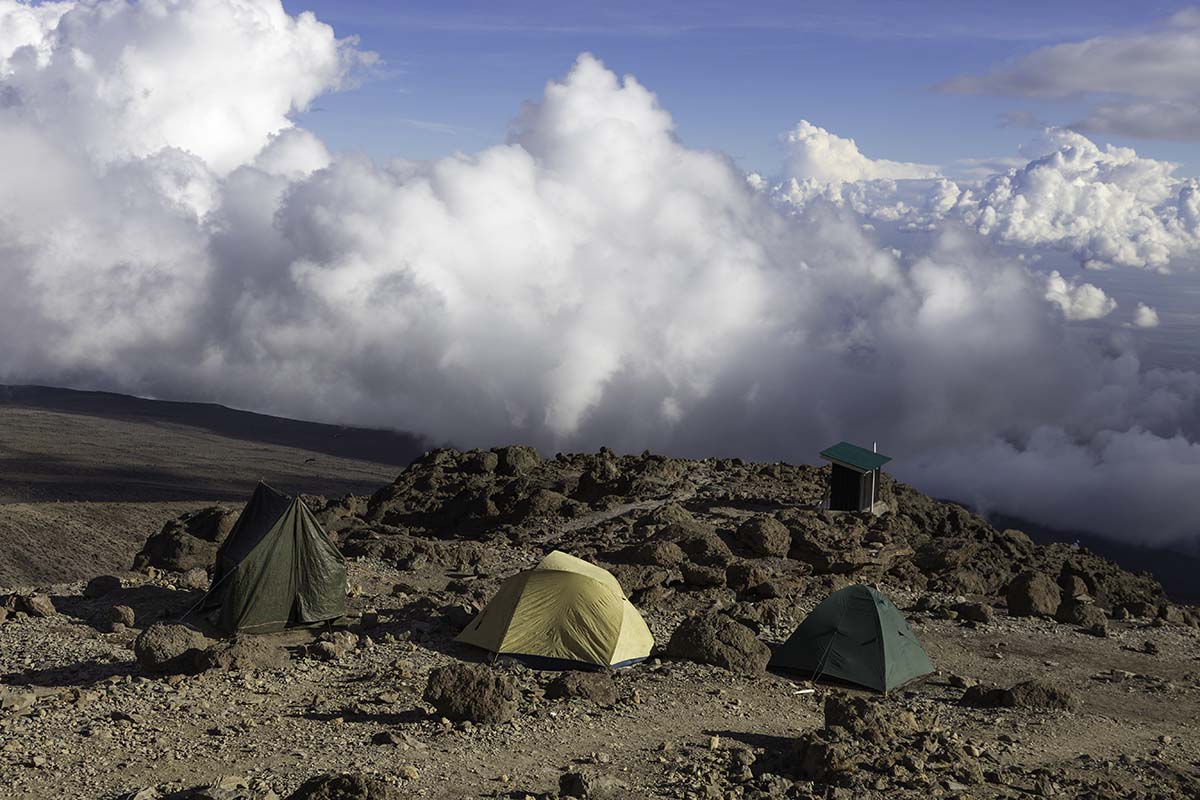
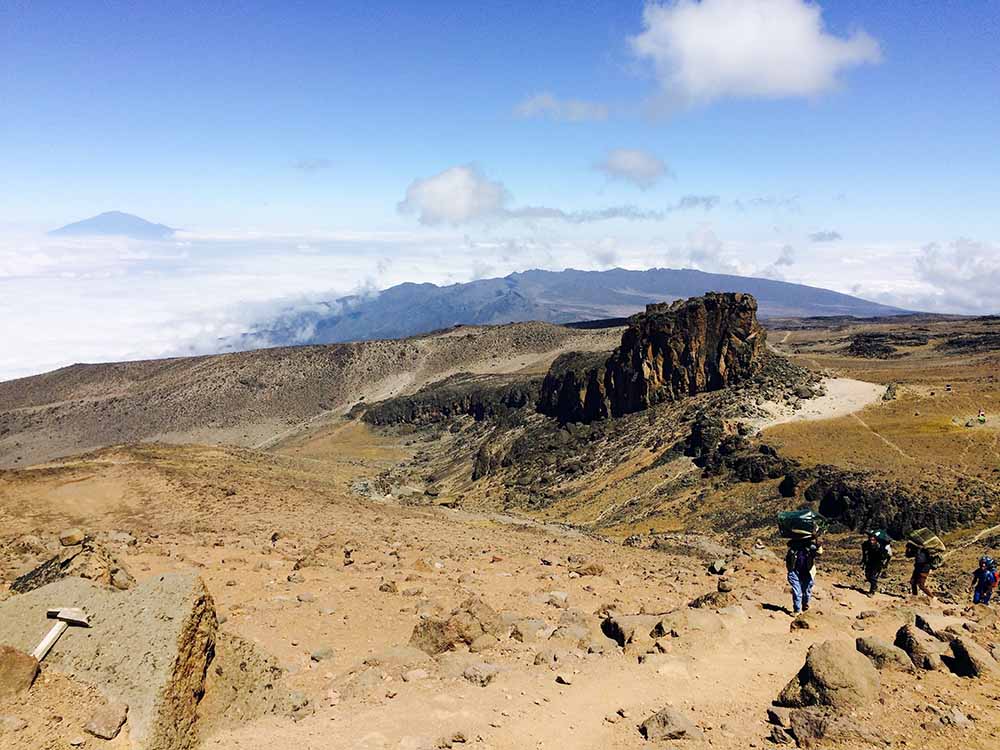
Climb toward Lava Tower at higher altitude, then descend to Barranco Camp. This is one of the route's key acclimatization days and ends beneath the Barranco Wall. As the route continues, the focus stays on measured progress rather than speed. Your guides will encourage a comfortable walking rhythm and monitor how the group is responding as conditions and elevation change. Rest, hydration and conserving energy remain important parts of the daily routine, particularly because the climb is a sequence of connected stages rather than a single day's effort. This approach also leaves time to notice the landscape and experience the changing environment around the trail.
Day 5: Barranco – Karanga – Barafu
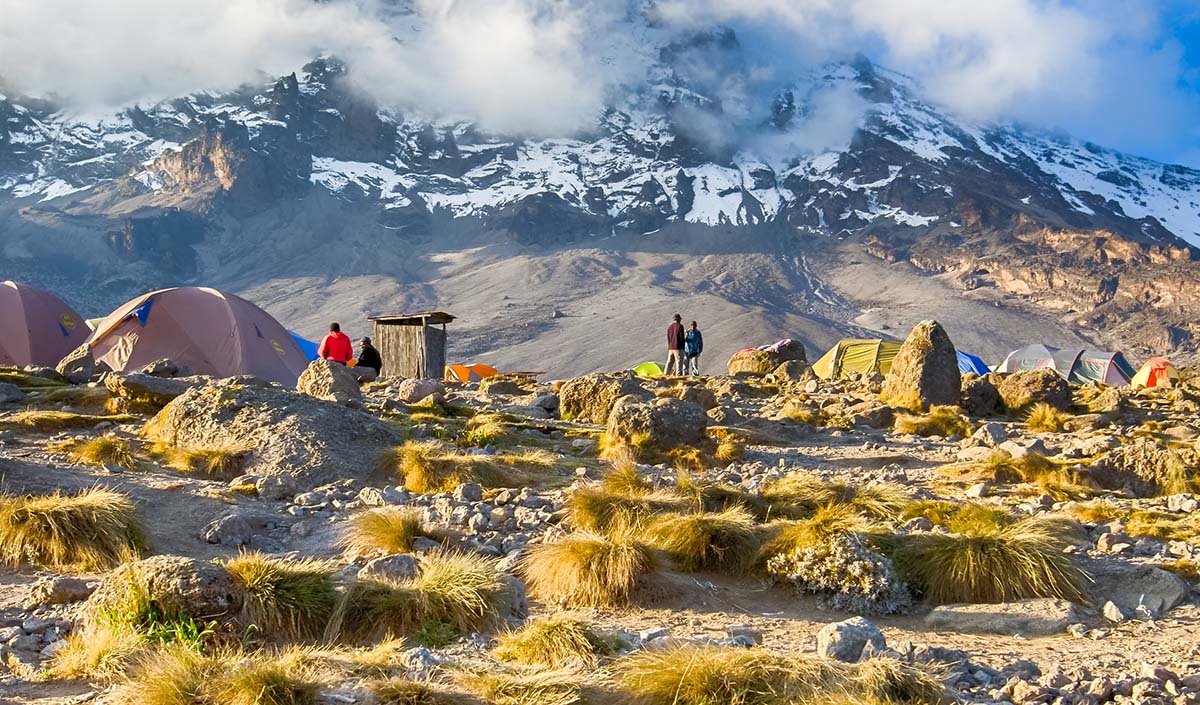
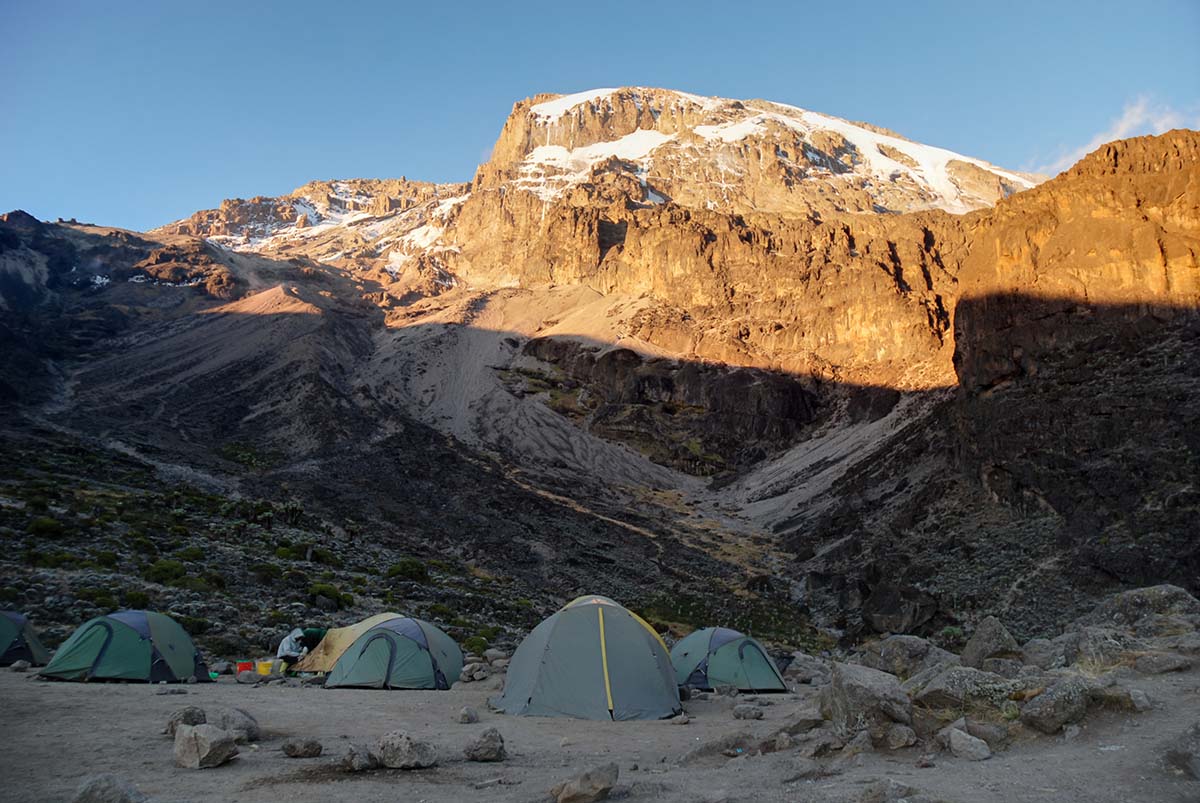
Climb the Barranco Wall and traverse toward Karanga before continuing to Barafu Camp. Arrive with time to eat, organize summit clothing and rest. A steady and sustainable pace remains important throughout the day. Your mountain team will manage the rhythm of the walk according to trail and weather conditions, while regular rest, hydration and sensible energy conservation help you prepare for the stages still ahead. The aim is not to move quickly, but to make controlled progress while giving your body time to respond to the increasing elevation. The changing mountain environment also gives each section of the route its own character.
Day 6: Barafu – Uhuru Peak – Mweka Camp
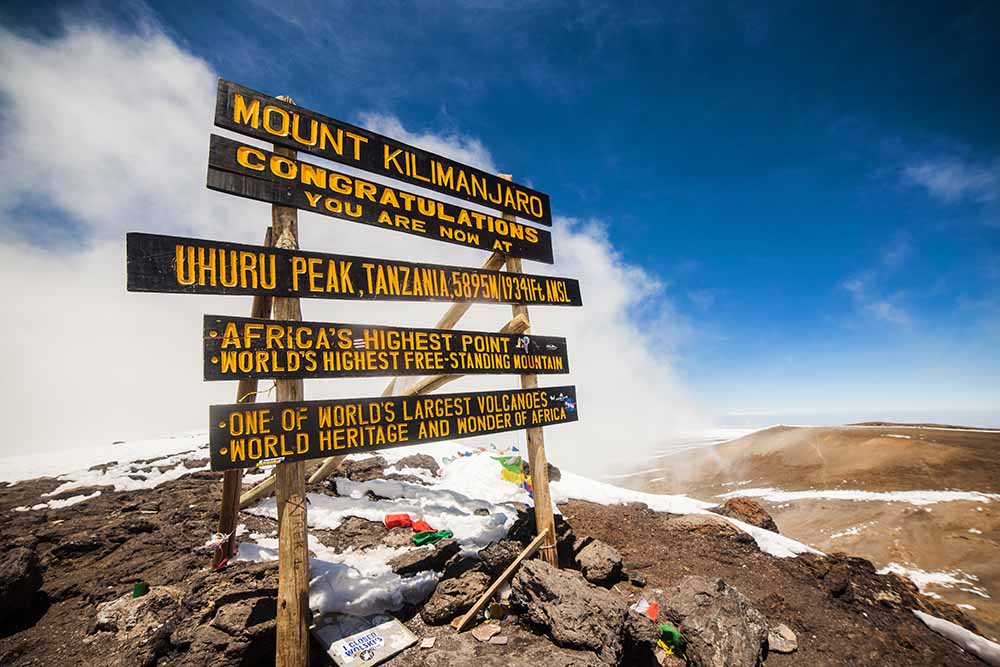
Begin the summit attempt at night, climbing slowly toward Stella Point and then Uhuru Peak. After reaching the highest point possible according to health and conditions, descend to Barafu and continue to Mweka Camp. As the route continues, the focus stays on measured progress rather than speed. Your guides will encourage a comfortable walking rhythm and monitor how the group is responding as conditions and elevation change. Rest, hydration and conserving energy remain important parts of the daily routine, particularly because the climb is a sequence of connected stages rather than a single day's effort. This approach also leaves time to notice the landscape and experience the changing environment around the trail.
Day 7: Mweka Camp – Mweka Gate
Descend through the rainforest to Mweka Gate, complete the trek and transfer to your hotel. A steady and sustainable pace remains important throughout the day. Your mountain team will manage the rhythm of the walk according to trail and weather conditions, while regular rest, hydration and sensible energy conservation help you prepare for the stages still ahead. The aim is not to move quickly, but to make controlled progress while giving your body time to respond to the increasing elevation. The changing mountain environment also gives each section of the route its own character.
Included
- Kilimanjaro National Park entry, camping or hut and rescue fees
- Professional mountain guide team and support crew
- Accommodation on the mountain according to the selected route
- Meals and drinking water during the trek
- Transfers between the hotel and Kilimanjaro trailhead
- Pre-climb briefing and standard route coordination
- Group mountain equipment used by the support crew
- Applicable government taxes and statutory charges
Excluded
- International and domestic flights
- Tanzania visa fees and travel insurance
- Personal trekking clothing, boots, sleeping bag and personal equipment
- Hotel accommodation before and after the climb unless specifically included in the quotation
- Tips and gratuities for guides, cooks and porters
- Personal snacks, drinks and purchases
- Medical treatment, vaccinations and evacuation beyond services covered by park rescue procedures
- Optional activities and additional nights caused by changes to personal travel arrangements
Interested in this Kilimanjaro Trek?
Contact us, and we can tailor the itinerary for you.
Plan Your Safari
Enquire About This Safari
Send us your details and Afrigifftours will get back to you to discuss your safari. A steady and sustainable pace remains important throughout the day. Your mountain team will manage the rhythm of the walk according to trail and weather conditions, while regular rest, hydration and sensible energy conservation help you prepare for the stages still ahead. The aim is not to move quickly, but to make controlled progress while giving your body time to respond to the increasing elevation. The changing mountain environment also gives each section of the route its own character.