
8-Day Great Migration Safari
Accommodation
Mid-Range
Tour Type
Safari
Price
On Request
Overview
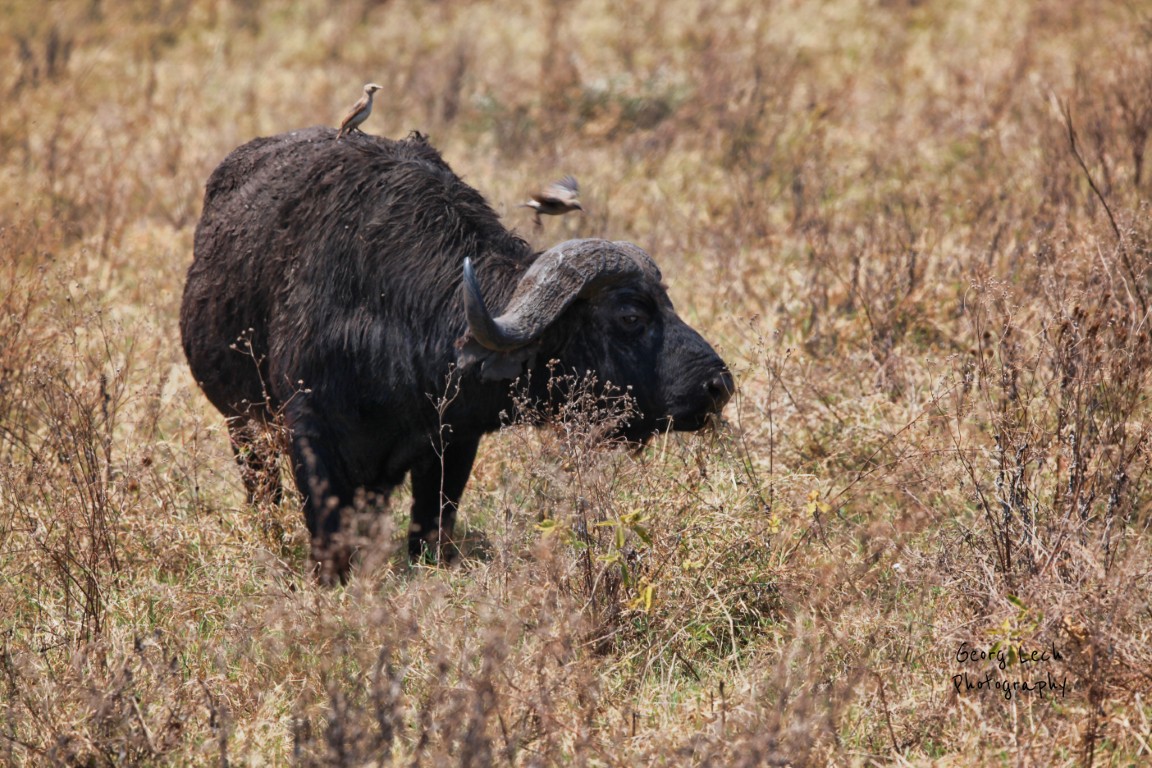
This itinerary gives the Serengeti additional time so the safari can be adjusted toward seasonal Great Migration movements. The exact Serengeti region should be selected according to travel dates; migration is a natural cycle and precise herd locations cannot be guaranteed. Throughout the day, the emphasis remains on unhurried observation and making the most of what is happening in the area at the time. Wildlife experiences are never identical from one visit to another, so flexibility is valuable. Your guide can respond to current conditions while keeping the overall itinerary on course, giving you time to enjoy animal behaviour, birdlife, scenery and the quieter moments that often become memorable parts of a safari.
Your Journey
Day by Day Itinerary
Explore Tanzania through a carefully planned journey combining wildlife, landscapes and comfortable accommodation. The day is deliberately paced so there is time to appreciate the experience between the major sightings as well as the wildlife itself. Your guide can adjust the rhythm according to conditions on the ground, allowing longer stops when an interesting encounter develops and moving on when appropriate. This creates a more natural safari experience, with opportunities for photography, observation and simply taking in the changing landscapes rather than treating the route as a fixed timetable.
Day 1: Arusha – Tarangire
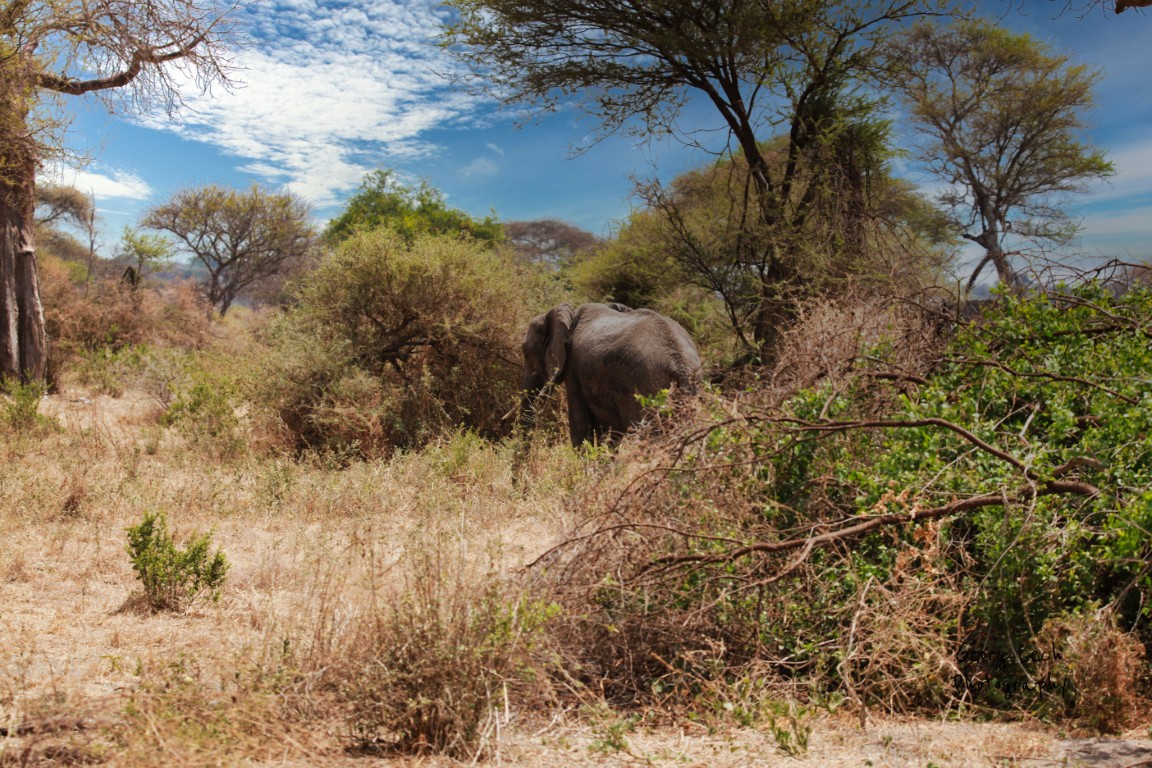
Travel to Tarangire National Park for a full introductory game drive among baobabs, woodland and the Tarangire River. Overnight in the Tarangire or Manyara region. Although part of the day is spent travelling onward, the route continues to add context to the journey as the surroundings gradually change. There is no need to treat the transfer as a rushed section of the itinerary; instead, it provides time to observe the countryside and understand how the different destinations fit together geographically. Your guide handles the route and timing, allowing you to settle into the journey and arrive prepared for the next stage.
Day 2: Tarangire Area – Serengeti
Travel through the Ngorongoro highlands and enter Serengeti National Park. Game drive toward the selected Serengeti region and settle into camp. A steady and sustainable pace remains important throughout the day. Your mountain team will manage the rhythm of the walk according to trail and weather conditions, while regular rest, hydration and sensible energy conservation help you prepare for the stages still ahead. The aim is not to move quickly, but to make controlled progress while giving your body time to respond to the increasing elevation. The changing mountain environment also gives each section of the route its own character.
Day 3: Serengeti – Migration Country
Spend a full day exploring the Serengeti with the day's route shaped by seasonal conditions. During migration periods, the focus may be on areas where large herds are feeding, calving or moving between seasonal ranges. Throughout the day, the emphasis remains on unhurried observation and making the most of what is happening in the area at the time. Wildlife experiences are never identical from one visit to another, so flexibility is valuable. Your guide can respond to current conditions while keeping the overall itinerary on course, giving you time to enjoy animal behaviour, birdlife, scenery and the quieter moments that often become memorable parts of a safari.
Day 4: Serengeti – Migration Country
Continue the migration-focused safari. A second day allows your guide to respond to changes in herd movement and predator activity without needing to leave the region prematurely. The day is deliberately paced so there is time to appreciate the experience between the major sightings as well as the wildlife itself. Your guide can adjust the rhythm according to conditions on the ground, allowing longer stops when an interesting encounter develops and moving on when appropriate. This creates a more natural safari experience, with opportunities for photography, observation and simply taking in the changing landscapes rather than treating the route as a fixed timetable.
Day 5: Serengeti – Extended Exploration
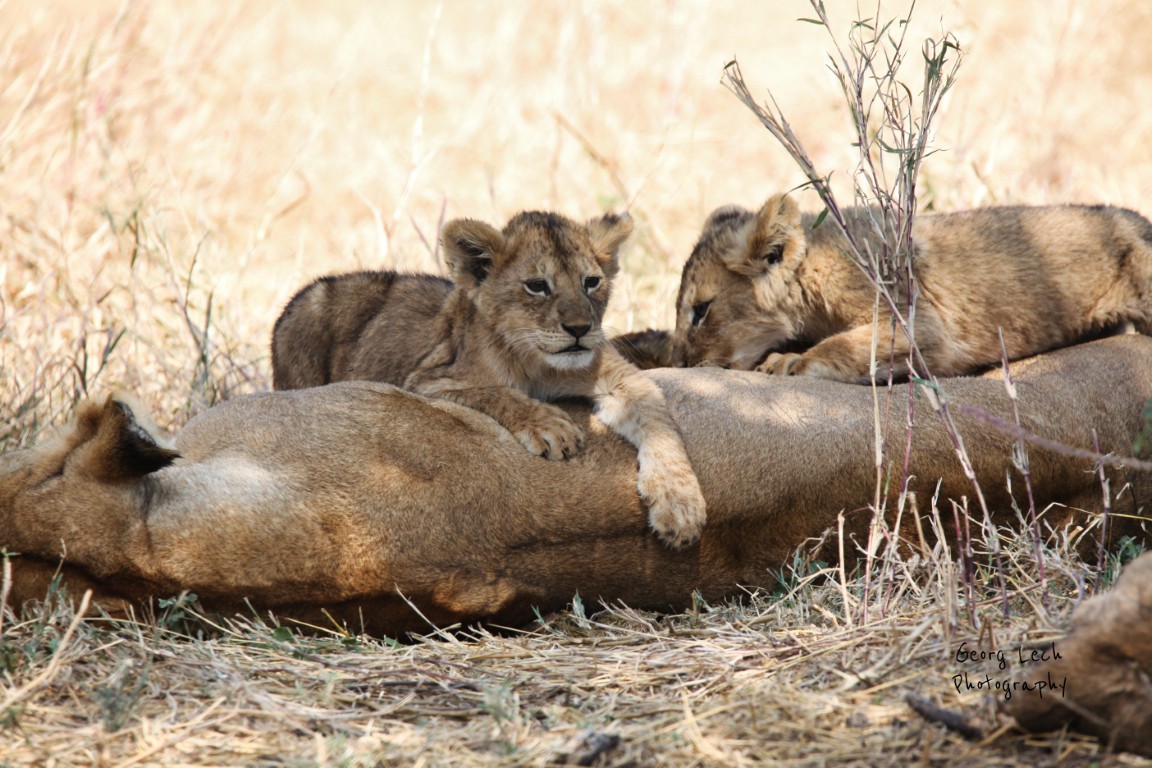
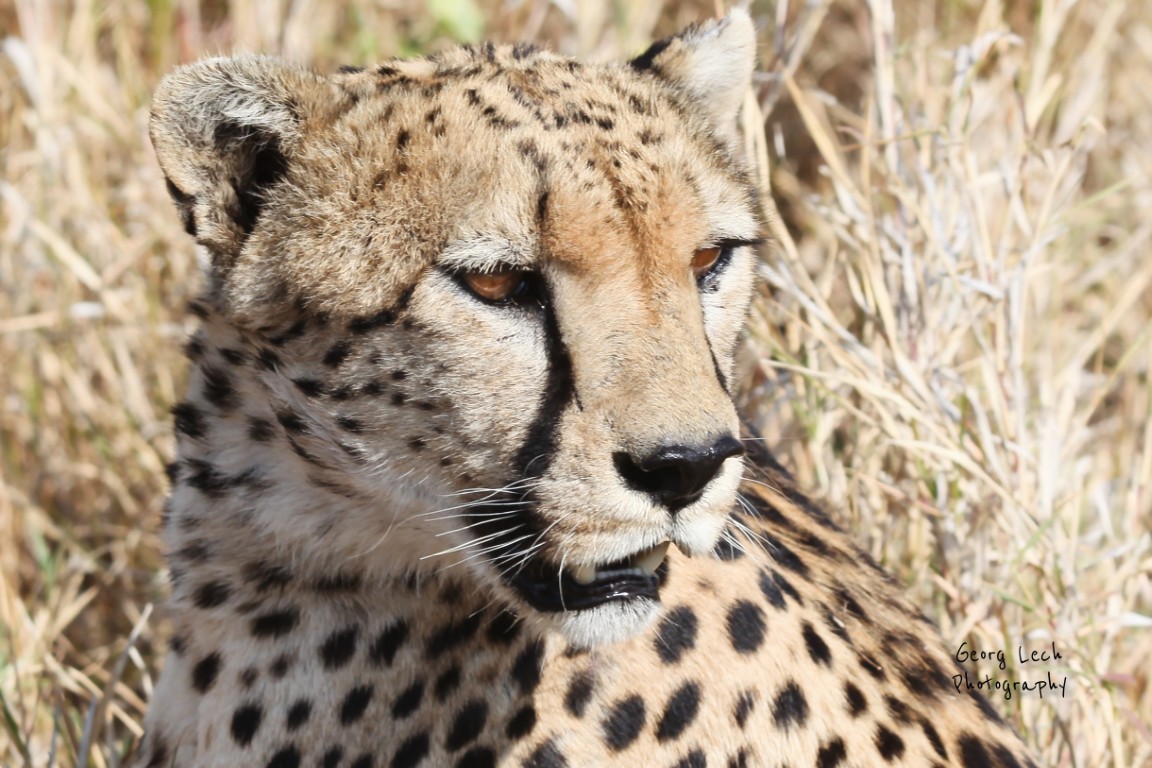
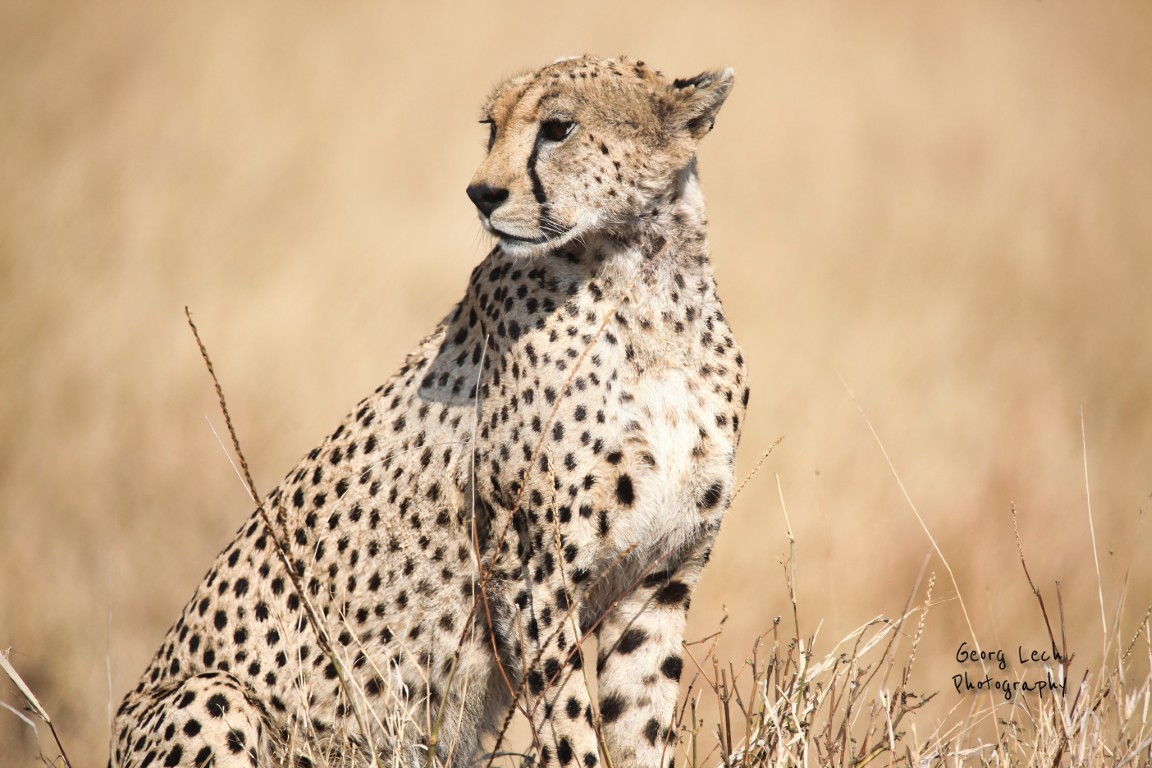
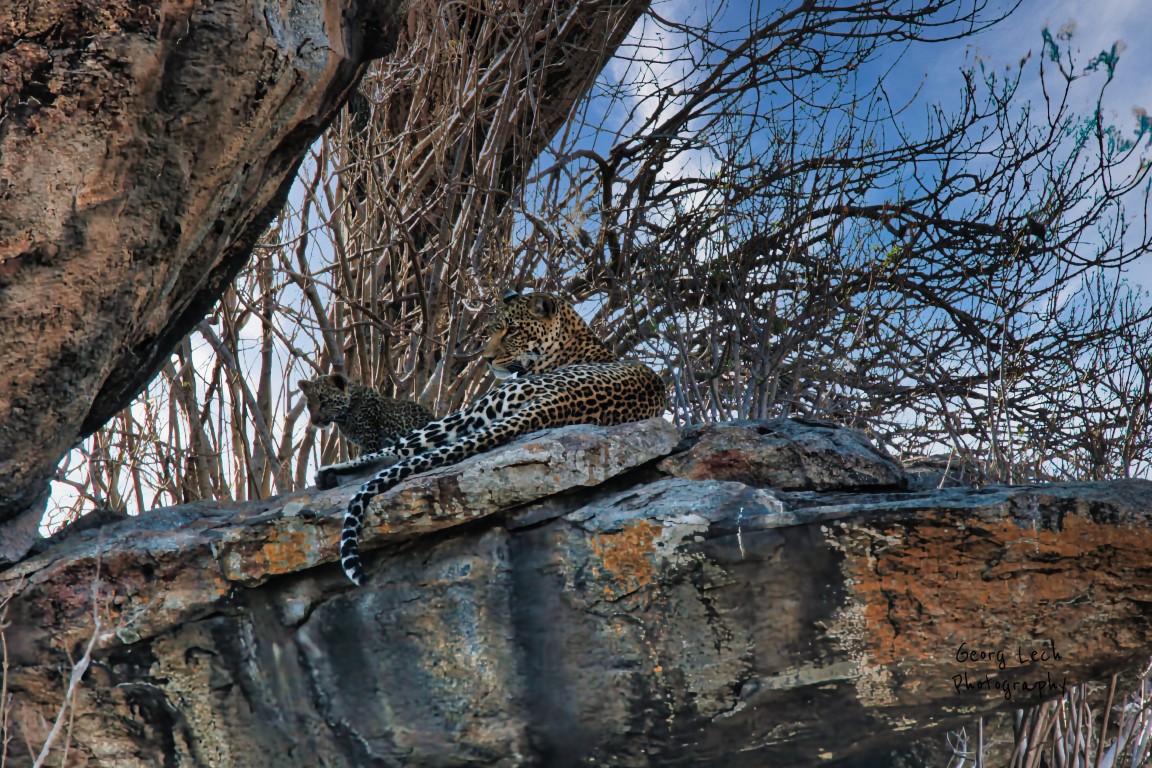
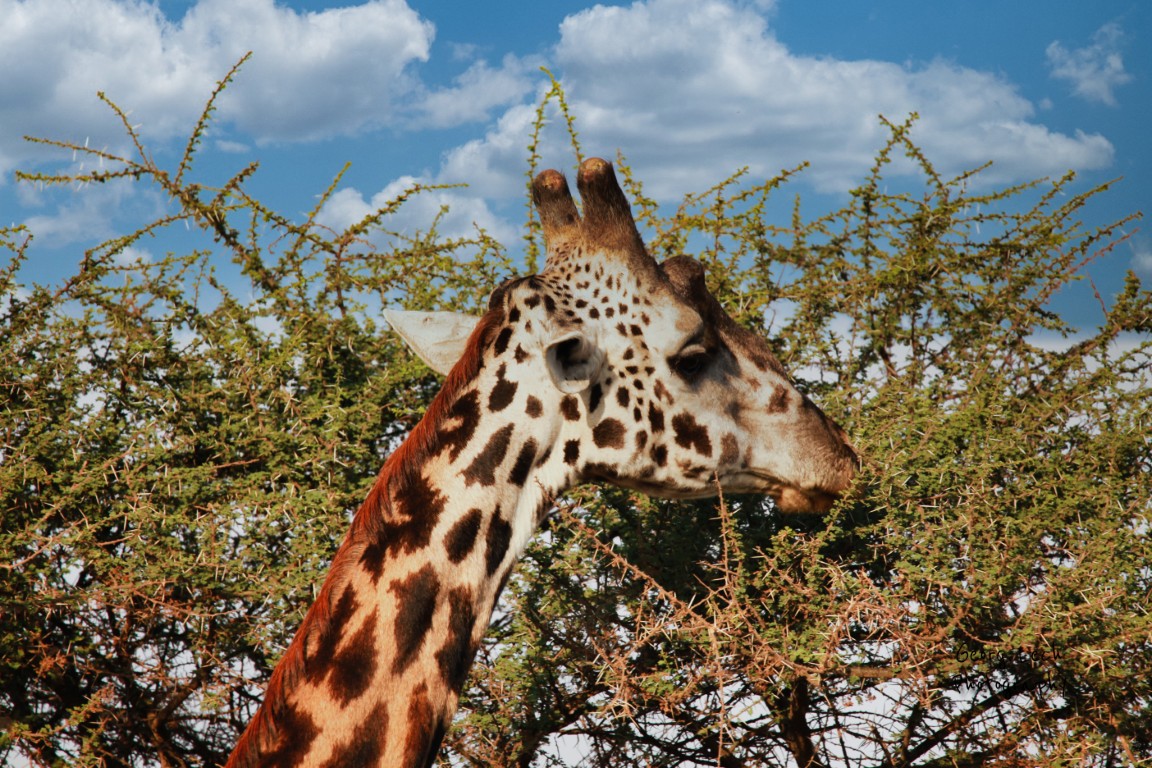
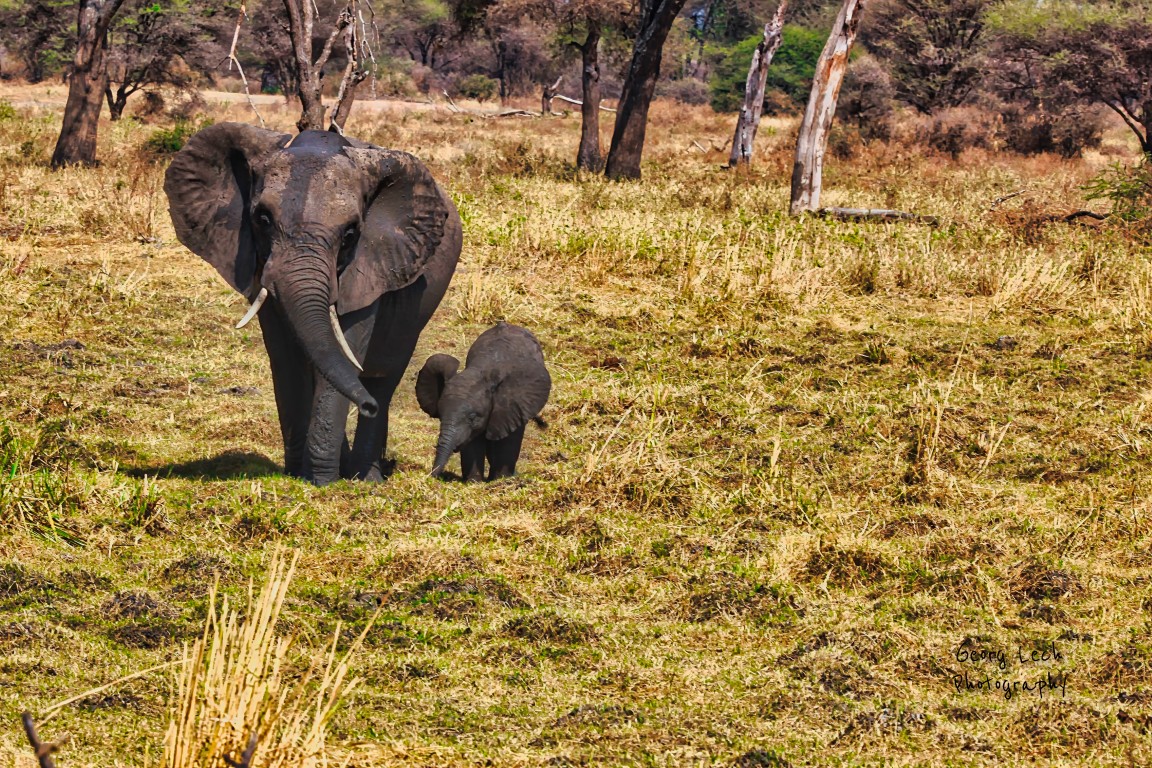
Explore another part of the Serengeti or remain close to productive wildlife areas. Beyond the migration herds, the ecosystem supports resident lions, cheetahs, leopards, hyenas, elephants, giraffes and many other species. Throughout the day, the emphasis remains on unhurried observation and making the most of what is happening in the area at the time. Wildlife experiences are never identical from one visit to another, so flexibility is valuable. Your guide can respond to current conditions while keeping the overall itinerary on course, giving you time to enjoy animal behaviour, birdlife, scenery and the quieter moments that often become memorable parts of a safari.
Day 6: Serengeti – Central or Transitional Area
Begin gradually moving toward the next stage of the safari while continuing game viewing. Depending on the seasonal itinerary, this day may connect northern, western, central or southern Serengeti areas. The day is deliberately paced so there is time to appreciate the experience between the major sightings as well as the wildlife itself. Your guide can adjust the rhythm according to conditions on the ground, allowing longer stops when an interesting encounter develops and moving on when appropriate. This creates a more natural safari experience, with opportunities for photography, observation and simply taking in the changing landscapes rather than treating the route as a fixed timetable.
Day 7: Serengeti – Ngorongoro Highlands
Enjoy a final morning game drive before leaving the Serengeti and climbing toward Ngorongoro. Overnight near the crater. Throughout the day, the emphasis remains on unhurried observation and making the most of what is happening in the area at the time. Wildlife experiences are never identical from one visit to another, so flexibility is valuable. Your guide can respond to current conditions while keeping the overall itinerary on course, giving you time to enjoy animal behaviour, birdlife, scenery and the quieter moments that often become memorable parts of a safari.
Day 8: Ngorongoro Crater – Arusha
Descend into Ngorongoro Crater for a final wildlife drive. After lunch, ascend from the crater and return to Arusha. The day is deliberately paced so there is time to appreciate the experience between the major sightings as well as the wildlife itself. Your guide can adjust the rhythm according to conditions on the ground, allowing longer stops when an interesting encounter develops and moving on when appropriate. This creates a more natural safari experience, with opportunities for photography, observation and simply taking in the changing landscapes rather than treating the route as a fixed timetable.
Included
- Private 4x4 safari vehicle with pop-up roof for wildlife viewing
- Professional English-speaking safari driver-guide
- Accommodation as described in the itinerary
- Meals as indicated during the safari
- National park and conservation area entry fees
- Game drives and activities specifically listed in the itinerary
- Bottled drinking water during safari game drives
- Airport and inter-hotel transfers specifically listed in the itinerary
- Applicable government taxes and statutory charges
Excluded
- International and domestic flights unless specifically stated as included
- Tanzania visa fees and travel insurance
- Vaccinations, medical expenses and personal travel requirements
- Tips and gratuities for guides, drivers and lodge staff
- Alcoholic drinks, premium beverages and items of a personal nature
- Optional activities not specifically listed in the itinerary
- Laundry, telephone calls and other personal expenses
- Any accommodation, meals or transfers before or after the stated itinerary
Interested in this safari?
Contact us, and we can tailor the itinerary for you.
Plan Your Safari
Enquire About This Safari
Send us your details and Afrigifftours will get back to you to discuss your safari. The day is deliberately paced so there is time to appreciate the experience between the major sightings as well as the wildlife itself. Your guide can adjust the rhythm according to conditions on the ground, allowing longer stops when an interesting encounter develops and moving on when appropriate. This creates a more natural safari experience, with opportunities for photography, observation and simply taking in the changing landscapes rather than treating the route as a fixed timetable.